Vikas Rana cricket photos: how Googly11 readers should actually use Hindustan Times photo galleries
Hindustan Times runs a long-running cricket photo desk that publishes fresh cricket photo galleries through the IPL and domestic season. The Vikas Rana photo gallery is a useful example of how a single image-driven feature is built around a domestic cricket figure, and what an Indian fantasy user should — and shouldn't — read out of it before locking a contest team. This Googly11 news-desk read walks through the gallery structure, what the photos typically contain, the verification gaps between a publisher's photo feature and a fantasy-relevant data point, and the practical workflow for turning a visual story into a contest decision.
Compliance Notice: Googly11 is a skill-based fantasy sports platform operating in India. This product is available only to users 18+ in permitted states. Fantasy sports involve skill and strategy; outcomes depend on real-world match performance. Please play responsibly. Check local regulations before participating.
1. What the Vikas Rana cricket photo gallery on Hindustan Times actually is
The listing appears on the Hindustan Times Cricket vertical as a photo-driven feature titled along the lines of "Vikas Rana Photos — Get Latest Vikas Rana Photos | Cricket News". Hindustan Times has used this template for years across cricket administrators, domestic coaches, age-group curators, scorers, broadcasters and players who don't yet have a top-tier international profile but who surface regularly in domestic photo coverage. The page format is image-first: a hero photograph, a vertically scrolling set of editorial images with captions, and a thin strip of related articles at the bottom. There is no long-form text body in the conventional sense — the photos and their captions carry the editorial weight.
For an Indian fantasy user, that structure is the single most important thing to understand. You are not reading a written match report. You are reading a curated visual set that the Hindustan Times cricket desk selected, captioned and ordered. The captions are short — typically one or two lines — and the photos are selected by a photo editor, not by the writer who covers the match. So the gallery tells you what the photo desk thought was visually significant, not what a beat reporter considered tactically significant. Fantasy users sometimes confuse the two and treat the photo set as if it were analysis. It is not. It is editorial photography with light caption context.
2. Why a domestic cricket figure ends up with a Hindustan Times photo gallery
Hindustan Times, like other large Indian cricket publishers, runs a dedicated cricket photo desk that shoots domestic fixtures, BCCI events, Ranji Trophy matches, India age-group games, IPL practice sessions and off-field cricket gatherings. When a figure appears at enough of those events to be recognizable in the frame — a curator, a support staff member, a domestic-format specialist, an off-spinner who has played two India A matches — the photo desk naturally accumulates images of that person over a season. At some point the publisher's CMS turns that accumulated photo set into a person-keyed gallery so that readers searching for the figure can land on a single page of curated shots.
The Vikas Rana photo gallery fits that pattern. It is a person-keyed photo collection rather than an event-keyed one. Event-keyed galleries are tied to a single match or tournament ("India vs Australia 4th Test in photos"); person-keyed galleries roll multiple events into one person-keyed landing page. The trade-off is reach versus depth: person-keyed galleries aggregate more material but lose the match-day context that an event-keyed gallery preserves. For a fantasy user, this matters because the photo gallery may include shots from a Ranji fixture, a state association event, an indoor net session and a press conference — all rolled into one scroll. You have to read the captions carefully to figure out which image came from which context.
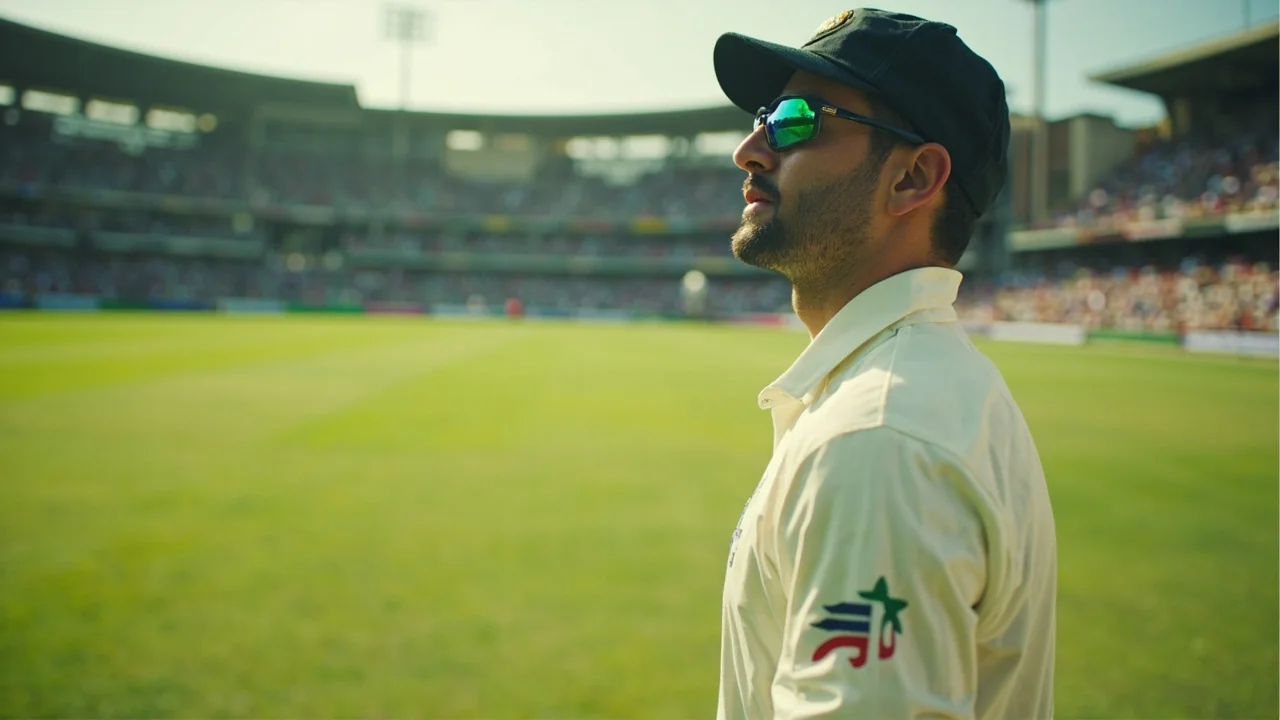
Figure 1: The kind of sideline action shot a person-keyed Hindustan Times cricket gallery typically opens with — useful for reading body language but not as a stand-in for stats.
3. What the photos actually show, and what they don't
Open a person-keyed Hindustan Times cricket gallery and you will usually find a predictable set of shot types. There is the on-field action frame — a delivery stride, a pull shot, a dive at gully, a wicketkeeper gather. There is the nets session frame — usually shot through netting or in a low light indoor facility, which gives a slightly softer image. There is the press / mixed-zone frame — a figure speaking into a microphone, signing autographs or in conversation. There is the candid dressing-room frame. And there is the off-field ceremonial frame — an award, a felicitation, a board meeting. The captions identify the event, the venue and the approximate date, but they do not provide box-score context.
What the gallery does not provide is the number that actually moves a fantasy decision: how many overs the figure bowled, how many runs the figure scored, how many catches the figure took, what the figure's economy rate is, what the figure's strike rate is, what the figure's role in the playing XI looks like. The photos do not contain data. The captions do not contain data. The gallery is, deliberately, not a stats page. If you try to extract fantasy decision points from it, you are using the wrong instrument.
4. How a Googly11 fantasy user should read a person-keyed gallery
The honest use case for a fantasy user is contextual, not quantitative. The gallery confirms that the figure is around the domestic circuit, that the figure is active in the current window, that the figure is being photographed in cricket-specific contexts (and not in some other profession that happens to share the name), and that the figure is in physically good enough shape to feature in nets or match-day frames. That is enough to keep the figure in your differential watchlist for an IPL or domestic fantasy contest. It is not enough to captain the figure, to push the figure into your XI on the basis of the photo feature alone, or to weight the figure above players with published recent match numbers.
The discipline of reading a photo gallery this way is important because it stops you from making a confidence jump that the source does not support. A photo gallery is a presence signal, not a performance signal. The Googly11 news desk treats presence signals as one input among many — alongside Cricbuzz / ESPNcricinfo stat pages, recent match scorecards, video highlights, and the actual fantasy-eligible player list on the Googly11 app. A figure who has 30 fresh Hindustan Times cricket photos over a window is someone you can confidently keep on a watchlist. A figure with zero photos is someone you can quietly remove. The photo count is a threshold variable, not a weight variable.
5. The caption is the only editorial content worth reading carefully
If you only spend thirty seconds on the gallery, spend it on the captions. The caption is the only piece of editorial language in a person-keyed photo gallery. The photo editor writes the caption with awareness of the date, venue and event, and a careful caption will tell you whether the shot came from a high-profile fixture (India A vs England Lions, an IPL play-off, a Ranji quarter-final) or a low-profile fixture (a state association trial, a club match, an indoor nets session). That distinction matters because a photo from a marquee fixture implies the figure was at a level of selection that matters to franchise scouts, while a photo from a club match tells you almost nothing about the figure's trajectory.
You will also see that the Hindustan Times cricket desk captions often reference a related news story at the bottom of the gallery — usually a piece about the figure's recent selection, the figure's recent performance, or the figure's role in a particular domestic tournament. That related link is genuinely useful: it is the writer-led editorial that the photo gallery itself does not contain. Click through to the related story before you treat the photo feature as evidence of anything beyond presence.
6. The verification gap between a photo feature and a fantasy data point
The single biggest mistake Indian fantasy users make with photo-led coverage is treating a published image as confirmation of a future lineup spot. A photo gallery confirms that the figure existed in a frame at a venue on a date. It does not confirm that the figure is in the playing XI for the next fixture. It does not confirm that the figure has recovered from an injury. It does not confirm that the figure has been picked by a franchise for the next auction cycle. It does not confirm anything about the figure's role, batting order, bowling spell length, or captaincy status.
Fantasy-relevant confirmation comes from a different set of sources: the BCCI's official squad announcement, the franchise's social account on the morning of the match, the playing-XI print at the toss, and the Googly11 app's player page which mirrors those signals. If the Googly11 player page says the figure is OUT — injured, rested, dropped — then no number of Hindustan Times cricket photos will put the figure back in your contest lineup. Conversely, if the player page says the figure is IN and the figure's recent numbers are strong, you can captain the figure without needing the photo feature to validate the call.
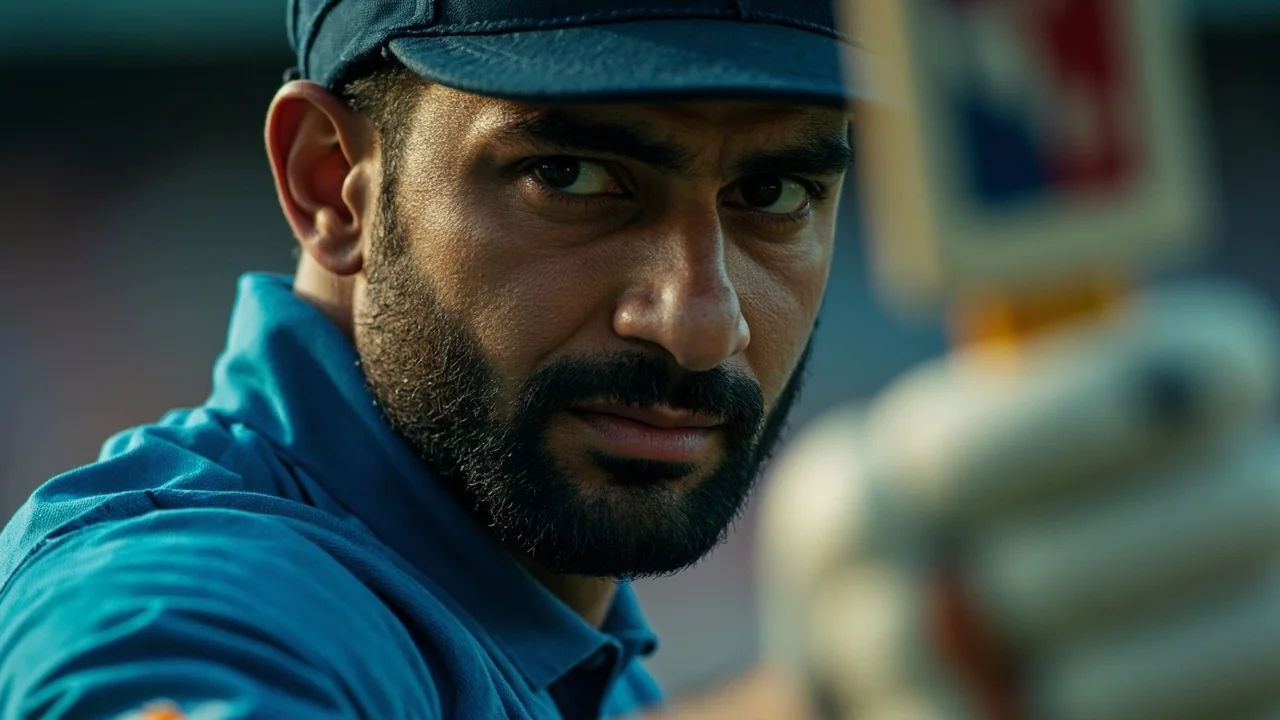
Figure 2: Tactical field-placement detail typical of a domestic fixture photo — useful for spotting role but not a substitute for live scorecard reading.
7. What this means for the IPL 2026 mid-season transfer window and domestic call-ups
The IPL 2026 mid-season transfer window has put a sharper focus on domestic figures than the mega-auction cycle does. Mid-season windows are for swaps between franchises, but the underlying driver of any swap is the quality of the domestic bench — and the domestic bench is exactly the pool that the Hindustan Times cricket photo desk is shooting week in, week out. If a domestic figure starts appearing more often in person-keyed galleries, that is one soft signal that the figure is being seen by selectors and franchise scouts. It is a presence signal, not a selection signal, but it has some predictive value when combined with a stat-page trend.
For Googly11 users running contests during this window, the practical workflow is: (a) check the Googly11 /news/ hub for any confirmed IPL 2026 transfer news, (b) check the Cricbuzz or ESPNcricinfo stat pages for the domestic figures involved in the rumour, (c) check the person-keyed Hindustan Times gallery as a presence confirmation, (d) cross-check the playing XI print at toss before locking the lineup. The photo gallery step is the third step in that workflow, not the first. If you reverse the order, you will end up drafting a fantasy XI based on a photo count rather than on match numbers.
8. The archive problem: why some person-keyed galleries disappear
Indian cricket publishers, Hindustan Times included, regularly rotate or retire person-keyed galleries when the figure falls out of the active news cycle. The Vikas Rana gallery, for instance, can drift off the publisher's main cricket navigation even while the underlying photo set still exists in the publisher's CMS. That is why a fantasy user searching for the figure on a Wednesday afternoon may see the gallery on the publisher's site and then fail to reach it on Friday. The URL is not always stable. This is normal for image-driven pages and is not a sign that the figure has been dropped from cricket — only that the publisher has rotated the gallery off the front of the cricket vertical.
If you are trying to verify a long-running presence signal, the better approach is to keep a private archive of the gallery URL with a date stamp on it, or to subscribe to the Googly11 news-desk digest that surfaces the person-keyed galleries once a week. The digest does the rotation work for you, so you don't lose access to a figure's photo history just because the publisher has rotated the URL.
9. What Googly11 readers should take from this gallery
The honest takeaway is short. The Vikas Rana cricket photo gallery on Hindustan Times is a presence signal that confirms the figure is around the domestic cricket circuit. It is not a stats page, it is not a tactical breakdown, and it is not a confirmation of any specific playing XI or selection call. Read the captions, check the related link at the bottom of the gallery, and use the photo count as one input among many. The Googly11 news desk recommends treating the gallery as a watchlist threshold variable rather than a fantasy weight variable.
For users running contests on Googly11 during the IPL 2026 season, the right way to use person-keyed galleries like this is to combine them with the Cricbuzz / ESPNcricinfo stat pages, the official BCCI squad feeds, and the live Googly11 player pages. A photo gallery alone will not move your rank. A photo gallery combined with a verified stat trend will. The work is in the combination, not in the gallery scroll.
10. The next gallery worth watching
The Hindustan Times cricket desk typically refreshes person-keyed galleries when the figure plays a high-profile fixture — a Ranji knock of note, an India A call-up, a domestic T20 invitational, a state association award, or a visible appearance at an IPL practice session. The next refresh of the Vikas Rana gallery will most likely coincide with one of those triggers. Googly11 users who want to keep a domestic figure on their watchlist should bookmark the gallery URL, check it once a week, and combine any photo update with a stat-page check. That workflow is the only honest way to turn a photo feature into a contest-relevant input.
11. Frequently asked questions on the Vikas Rana cricket photo gallery
What is the Vikas Rana cricket photo gallery on Hindustan Times?
It is a person-keyed photo gallery on the Hindustan Times Cricket vertical that aggregates domestic cricket photos featuring Vikas Rana across multiple fixtures and events. The gallery is image-first, with short captions and a related editorial link at the bottom.
Is the gallery enough to confirm a fantasy selection?
No. A photo gallery is a presence signal — it confirms that the figure has been photographed at cricket events. It does not contain box-score data, role information, or playing XI status. Treat the gallery as a watchlist threshold variable and cross-check with Cricbuzz, ESPNcricinfo and the Googly11 player page before locking a lineup.
Why do some person-keyed galleries rotate off the cricket front?
Indian cricket publishers rotate person-keyed galleries off the main cricket navigation when the figure falls out of the active news cycle. The underlying photos usually remain in the publisher's CMS but the URL may change. Subscribing to the Googly11 news-desk digest keeps access to those URLs stable for fantasy users.
What is the most useful caption on a person-keyed cricket gallery?
The caption that identifies the venue, the event and the date. Those three data points let you determine whether the figure was photographed at a marquee fixture (India A, Ranji knock-out, IPL play-off) or a low-profile fixture (state trial, club match, indoor nets). That distinction is what separates a meaningful presence signal from a routine one.
Should Googly11 users combine this gallery with stat pages?
Yes. The recommended workflow is to start at the Googly11 /news/ hub for confirmed transfer and squad news, then check the Cricbuzz / ESPNcricinfo stat pages, then the Hindustan Times person-keyed gallery as a presence signal, and finally the live Googly11 player page for current eligibility. Reverse the order and you will draft a fantasy XI on photo count rather than on match numbers.
Lock your IPL 2026 fantasy XI on Googly11
Presence signals, stat pages and squad feeds in one read. Rs 1 contests, sub-30 minute UPI withdrawals, and a fresh-signing filter for every IPL 2026 mid-season move. Start with code Googly11100.