

Cricket stands as one of the world's most beloved sports, captivating billions of fans across continents with its unique blend of strategy, skill, and tradition. If you're new to cricket, the sport might initially seem complex with its specialized terminology, various formats, and nuanced rules. Understanding cricket opens doors to enjoying thrilling matches, engaging with a passionate global community, and potentially participating in fantasy cricket platforms where strategic knowledge translates into competitive advantage. This comprehensive guide breaks down everything beginners need to know about cricket's fundamentals, gameplay mechanics, and how to transition from casual observer to knowledgeable enthusiast.
Understanding Cricket's Basic Structure
Cricket is played between two teams of eleven players each on an oval-shaped field with a rectangular 22-yard pitch at its center. The primary objective involves one team batting to score runs while the opposing team bowls and fields to restrict runs and dismiss batters. When you're new to cricket, grasping this fundamental dynamic helps decode the action unfolding on the field.
The pitch features three wooden stumps at each end, topped with small pieces called bails. These wickets serve as the bowler's target and the batter's responsibility to protect. A batsman stands before one set of stumps while the bowler delivers the ball from the opposite end, attempting to hit the wickets or induce mistakes that lead to dismissals.
The Playing Field and Equipment
The cricket field contains several key zones that influence gameplay strategy. The boundary marks the field's perimeter, typically 60-70 meters from the pitch center. Hitting the ball to this boundary earns automatic runs without requiring physical running between wickets.
Essential equipment includes:
- Cricket bat (flat-faced willow blade with handle)
- Cricket ball (hard leather sphere, red for Test matches, white for limited-overs formats)
- Protective gear (pads, gloves, helmet, box)
- Stumps and bails forming the wickets
- Boundary markers defining the field limits
Players wear specialized clothing appropriate to the match format. Test cricket features traditional white clothing, while limited-overs matches showcase colorful team uniforms that enhance spectator engagement and television visibility.

How Scoring and Dismissals Work
Runs represent cricket's scoring unit, accumulated through various methods that reward both aggressive stroke play and intelligent running. Understanding cricket scoring methods provides the foundation for appreciating match situations and strategic decisions.
Primary Scoring Methods
| Scoring Method | Runs Awarded | Description |
|---|---|---|
| Running between wickets | 1, 2, or 3 | Batters physically run after hitting the ball |
| Boundary (along ground) | 4 runs | Ball crosses boundary after bouncing |
| Six (over boundary) | 6 runs | Ball clears boundary without bouncing |
| Extras | 1-5 runs | Penalties against bowling team (wides, no-balls, byes) |
The batting team continues accumulating runs until losing all ten wickets (dismissals), as one batter must always remain not out. This concept initially confuses those new to cricket, but remember that eleven players bat with two always at the crease, meaning ten dismissals end the innings.
Common Dismissal Types
Batters can lose their wicket through several mechanisms, each with specific rules and strategic implications:
- Bowled: Ball hits the stumps directly, dislodging bails
- Caught: Fielder catches the ball before it touches ground
- LBW (Leg Before Wicket): Ball would have hit stumps but strikes batter's leg
- Run out: Fielder breaks stumps while batters attempt a run
- Stumped: Wicketkeeper removes bails while batter is outside crease
- Hit wicket: Batter accidentally dislodges own stumps
Learning cricket rules explained in detail helps newcomers understand why umpires make specific decisions and how certain dismissals require technological review in professional matches.
Cricket Formats: From Test Matches to T20s
Cricket's evolution has produced three distinct formats, each offering unique characteristics that appeal to different audiences and strategic preferences. For anyone new to cricket, recognizing format differences clarifies why match durations, tactics, and scoring rates vary dramatically.
Test Cricket: The Traditional Format
Test cricket represents the sport's longest and most traditional format, played over five days with each team batting twice (two innings per side). This format emphasizes endurance, technical skill, and strategic patience. Teams wear white clothing, use red balls, and can achieve three results: win, loss, or draw.
Test matches unfold across six-hour playing days, allowing for nuanced tactical battles where conditions change as the pitch deteriorates and weather patterns shift. This format demands supreme concentration from batters and relentless persistence from bowlers.
One Day Internationals (ODIs)
ODIs limit each team to fifty overs (300 deliveries) per innings, creating a single-day contest with defined conclusion. This format balances traditional cricket skills with accelerated scoring requirements. Teams wear colored clothing and typically use white balls for better visibility.
The strategic complexity involves resource management, as teams must balance aggressive batting against wicket preservation. Powerplay restrictions limit fielding positions during specific overs, creating phases where scoring opportunities increase dramatically.
Twenty20 (T20) Cricket
T20 cricket compresses matches into roughly three hours, with each team facing just twenty overs. This explosive format prioritizes aggressive batting, innovative stroke play, and tactical variety. Fantasy cricket platforms particularly embrace T20 matches because the condensed timeframe creates multiple contests daily during major tournaments.
T20 format characteristics:
- Maximum match duration: 3-4 hours
- Enhanced entertainment value with music and celebrations
- Elevated scoring rates (typical totals: 150-220 runs)
- Greater emphasis on power hitting and death bowling
- Strategic timeouts allowing mid-innings team consultations
Decoding Cricket Terminology
Cricket features specialized vocabulary that initially challenges those new to cricket but becomes intuitive with exposure. Understanding cricket terminology terms explained in detail accelerates your learning curve and enhances match enjoyment.
Essential Terms for Beginners
Over: A set of six legal deliveries bowled by one bowler from one end. After completing an over, a different bowler delivers from the opposite end.
Maiden over: An over yielding zero runs, demonstrating exceptional bowling control and representing a small victory for the fielding team.
Duck: When a batter gets dismissed without scoring any runs, considered an embarrassing outcome in cricket culture.
Century: Scoring 100 or more runs in a single innings, representing a significant individual achievement that often determines match outcomes.
Hat-trick: A bowler taking three wickets with consecutive deliveries, an extremely rare feat celebrated enthusiastically by teams and spectators.
Yorker: A delivery pitching directly at the batter's feet, particularly effective in limited-overs cricket's final overs when batters attempt aggressive shots.
Fielding Positions and Their Purpose
Cricket's fielding positions carry unique names reflecting their historical origins and tactical purposes. The captain arranges fielders strategically based on match situations, batter tendencies, and bowling styles.
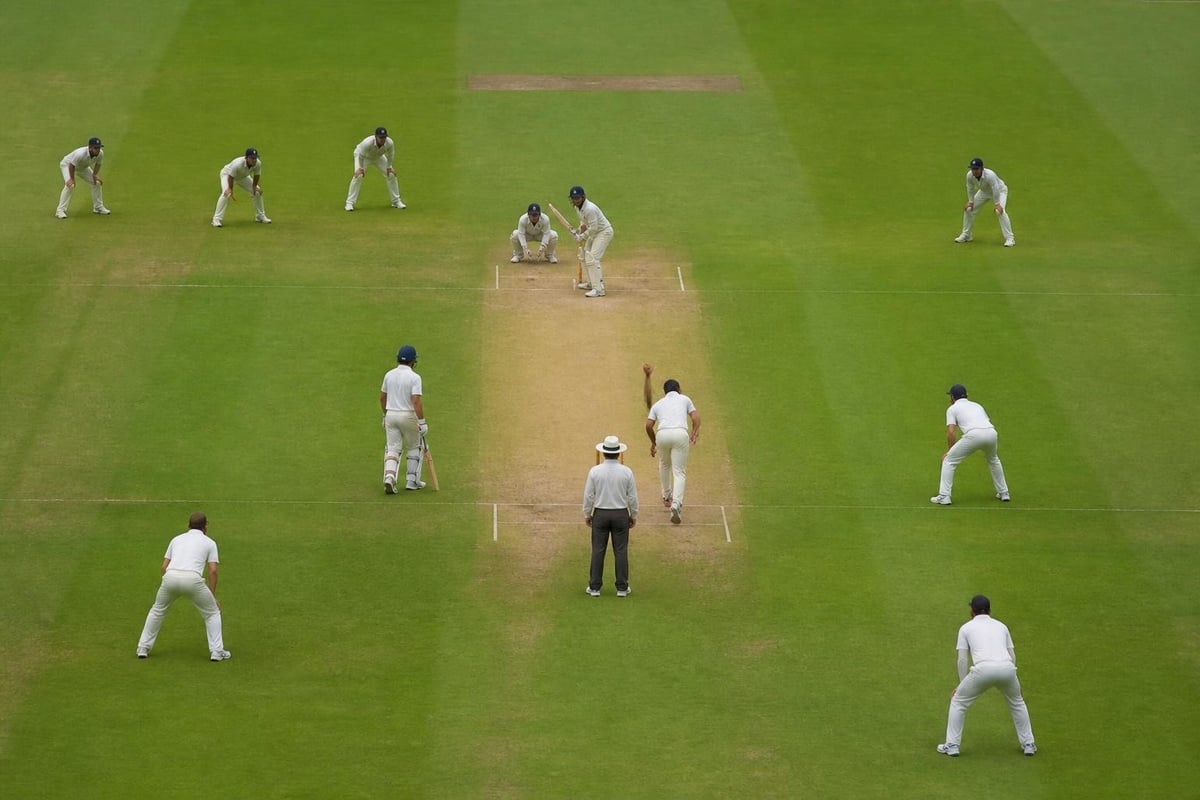
Common positions include slips (catching edges behind the wicket), covers (preventing drives through the off-side), mid-wicket (stopping leg-side shots), and boundary fielders protecting against big hits. Learning these positions helps newcomers follow commentator discussions and appreciate strategic adjustments.
Batting Fundamentals and Techniques
Batting combines technical precision with mental fortitude, requiring players to defend their wicket while accumulating runs opportunistically. For those new to cricket, understanding cricket batting basics reveals why successful batters command such respect and why batting collapses can dramatically shift match momentum.
Grip, Stance, and Initial Shots
Proper batting technique begins with correct grip, where hands unite on the handle with the top hand (left for right-handers) controlling direction and the bottom hand providing power. The stance positions the batter sideways to the bowler, with eyes level and weight balanced.
Beginning batters master these foundational shots:
- Forward defense: Playing the ball downward with soft hands to neutralize good deliveries
- Back defense: Moving backward to handle short-pitched deliveries safely
- Drive: Elegant stroke through the off-side or straight past the bowler
- Pull shot: Aggressive stroke against short balls, hitting through mid-wicket
- Cut shot: Attacking wide, short deliveries past point fielders
Advanced players develop sweeps, reverse sweeps, scoops, and switch hits that expand scoring options against varied bowling attacks.
Reading Bowlers and Match Situations
Successful batting requires reading the bowler's release point, anticipated trajectory, and likely delivery type. Batters watch for subtle cues indicating whether the ball will swing, seam, or spin after pitching.
Match context dictates batting approach. Test cricket permits defensive accumulation over extended periods, while T20 cricket demands immediate aggression. Understanding required run rates, wickets remaining, and opposition bowling strengths separates competent batters from exceptional performers.
Bowling Varieties and Strategies
Bowling represents cricket's offensive art, with multiple disciplines requiring distinct techniques and strategic applications. The bowling team rotates bowlers throughout the innings, utilizing various styles to exploit pitch conditions and batter weaknesses.
Pace Bowling vs Spin Bowling
Pace bowlers rely on speed, typically delivering between 130-150 km/h (80-95 mph) while employing seam movement and swing to deceive batters. Fast bowlers generate bounce and intimidation, particularly on hard, bouncy pitches. Variations include yorkers, bouncers, slower balls, and cutters.
Spin bowlers deliver at slower speeds (70-95 km/h) while imparting rotation that causes the ball to deviate after pitching. Off-spinners turn the ball from off to leg (for right-handed batters), while leg-spinners turn from leg to off. Spin becomes increasingly effective as pitches deteriorate over match duration.
| Bowling Type | Typical Speed | Primary Weapon | Pitch Preference |
|---|---|---|---|
| Fast bowling | 140-150 km/h | Pace, bounce | Hard, grassy surfaces |
| Medium pace | 120-135 km/h | Seam movement | Green pitches |
| Off-spin | 75-95 km/h | Turn from off | Dry, dusty pitches |
| Leg-spin | 80-95 km/h | Turn from leg, drift | Any deteriorating surface |
Death Bowling and Powerplay Tactics
Limited-overs cricket features distinct phases requiring specialized bowling skills. Powerplay overs restrict fielding positions, forcing bowlers to rely on skill rather than defensive field placements. Death overs (final five overs) see batters attack aggressively, requiring bowlers to execute yorkers, wide deliveries, and slower balls under immense pressure.
Understanding these tactical nuances enhances appreciation when watching matches and proves invaluable when selecting bowlers for fantasy cricket teams, where points accrue based on wickets, economy rates, and bonus achievements.
Following Cricket Matches as a Beginner
Watching cricket becomes significantly more engaging when you understand scoring progression, strategic shifts, and momentum indicators. Modern broadcasts provide extensive statistics, graphics, and expert commentary that educate while entertaining.
Key Statistics to Monitor
Run rate: Runs scored per over, indicating scoring pace. Compare current run rate against required run rate in chases to assess match pressure.
Partnerships: Combined runs scored by the current batting pair, often proving more significant than individual scores in building winning totals.
Economy rate: Runs conceded per over by a bowler, highlighting control and effectiveness, particularly valuable in limited-overs formats.
Strike rate: Runs scored per 100 balls faced (batting) or wickets taken per balls bowled (bowling), measuring efficiency and impact.
Following live cricket matches with statistical awareness transforms passive viewing into active analysis, helping you identify which players excel in pressure situations and which tactical approaches prove most effective.
Understanding DLS Method
Rain interruptions in limited-overs cricket require fair target adjustments. The Duckworth-Lewis-Stern (DLS) method recalculates targets based on overs lost and wickets remaining, ensuring teams chasing revised totals face equivalent difficulty. While mathematically complex, understanding that DLS preserves competitive balance helps explain seemingly unusual revised targets.

Transitioning to Fantasy Cricket
For newcomers who want to deepen their cricket engagement beyond passive viewing, fantasy cricket offers an interactive platform where strategic knowledge translates into competitive success. Fantasy cricket challenges participants to build virtual teams within budget constraints, earning points based on real player performances in actual matches.
Building Your First Fantasy Team
Fantasy cricket success requires understanding player roles, recent form, pitch conditions, and match context. Teams typically include wicketkeepers, batters, all-rounders, and bowlers within specified ratios and budget limits.
Strategic considerations include:
- Analyzing player statistics across recent matches
- Evaluating pitch reports favoring batters or bowlers
- Identifying value picks offering quality at lower costs
- Selecting captain and vice-captain who earn multiplied points
- Monitoring team announcements and last-minute changes
The Googly11 India Fantasy Cricket Guides provide comprehensive resources for understanding team selection strategies, match previews, and player analysis that help beginners make informed decisions when constructing their fantasy lineups.

Learning Through Fantasy Participation
Fantasy cricket accelerates your cricket education by incentivizing deep player analysis and match situation awareness. Tracking your selected players' performances creates personal investment in matches, motivating detailed study of playing styles, statistical trends, and tactical matchups.
Regular fantasy participation develops skills transferable to broader cricket appreciation: recognizing bowler-batter matchups, understanding conditions' impact on gameplay, and predicting tactical adjustments based on match situations. Many dedicated cricket fans trace their expertise back to lessons learned through fantasy cricket engagement.
Major Cricket Competitions Worth Following
Cricket's international calendar features prestigious tournaments that showcase elite talent and generate massive global audiences. Understanding these competitions helps prioritize viewing and provides context for player reputations and national rivalries.
ICC Tournaments
The Cricket World Cup (50-over format) occurs every four years, representing cricket's pinnacle event with participation from qualifying nations. The T20 World Cup happens biennially, offering fast-paced entertainment and unpredictable outcomes that make it ideal for those new to cricket.
The World Test Championship crowns Test cricket's best team through a league format spanning two years, culminating in a final between the top two nations. This competition has revitalized Test cricket's relevance by providing context and stakes beyond individual series.
Domestic Leagues
The Indian Premier League (IPL) stands as cricket's most valuable and watched domestic league, featuring international stars competing for franchise teams across two months of high-intensity T20 cricket. For those exploring IPL 2026 coverage, the tournament offers daily matches, celebrity involvement, and strategic innovation that pushes cricket's boundaries.
Other prominent leagues include Australia's Big Bash League, England's The Hundred, Pakistan Super League, and Caribbean Premier League. These competitions provide year-round cricket action and serve as talent incubators where emerging players gain exposure.
Common Mistakes Beginners Make
Avoiding typical pitfalls accelerates your cricket learning journey and prevents frustration during your initial months of following the sport. Recognition of these common errors helps establish proper foundations.
Misunderstanding LBW Rules
LBW dismissals perplex newcomers because they involve multiple conditions: ball pitching in line with stumps (or outside off-stump), impacting in line, and projected to hit stumps. Balls pitching outside leg-stump cannot result in LBW, regardless of other factors. This complexity explains why LBW decisions often require technological review systems like Hawk-Eye.
Ignoring Match Context
Raw statistics mislead without contextual understanding. A batter scoring 50 runs in a Test match chase of 150 on a difficult pitch demonstrates greater value than someone scoring 80 in a T20 total of 200 on a batting paradise. Similarly, a bowler conceding 35 runs in four T20 overs represents excellent control, while the same figures in an ODI spell indicate relative wastefulness.
Overlooking All-Rounders' Value
All-rounders who bat and bowl competently provide strategic flexibility that pure specialists cannot match. Quality all-rounders extend batting depth, offer bowling variety, and contribute during multiple match phases. Fantasy cricket particularly rewards effective all-rounders through dual point-scoring opportunities.
Resources for Continued Learning
Your cricket education extends beyond this introduction through various quality resources designed for progressive skill development. Combining multiple learning channels accelerates comprehension and maintains engagement.
Online Guides and Tutorials
Comprehensive platforms offer structured learning paths covering everything from basics of cricket to advanced tactical analysis. Video tutorials demonstrate techniques more effectively than written descriptions, particularly for understanding batting mechanics and bowling actions.
Interactive tools like fantasy points calculators help you understand how performances convert to fantasy points, reinforcing your comprehension of which statistics matter most in different match situations.
Following Cricket Media and Analysis
Quality cricket journalism provides match reports, player interviews, tactical breakdowns, and statistical analysis that deepens your understanding. Podcasts allow passive learning during commutes, while YouTube channels offer match highlights and expert commentary.
Social media connects you with cricket communities where enthusiasts discuss matches, share opinions, and debate strategies. Engaging in these conversations tests your knowledge and exposes you to diverse perspectives that challenge assumptions.
Practical Experience and Observation
Nothing replaces watching live cricket for developing intuitive understanding. Observe how field placements shift based on batters, how bowlers vary pace and length, and how captains respond to momentum shifts. Attending matches in person provides sensory experiences television cannot replicate: the ball's sound striking bat or wicket, crowd reactions to crucial moments, and the strategic positioning visible across the entire field.
If opportunity permits, playing recreational cricket, even at basic levels, provides invaluable perspective on the skills required and challenges players face. Attempting to execute a yorker or playing a genuine fast bowler creates profound respect for professional athletes' abilities.
Transitioning from being new to cricket to becoming a knowledgeable enthusiast involves progressive learning, consistent observation, and active engagement with the sport's strategic complexities. The journey rewards patience with deepening appreciation for cricket's tactical subtleties, individual brilliance, and team dynamics that make each match uniquely compelling. Whether you're watching international tournaments, following domestic leagues, or ready to test your cricket knowledge through fantasy competitions, platforms like Googly11 provide the tools and insights to transform your understanding into strategic success while enjoying the world's second-most popular sport.