1. What happened on 22 February 2026
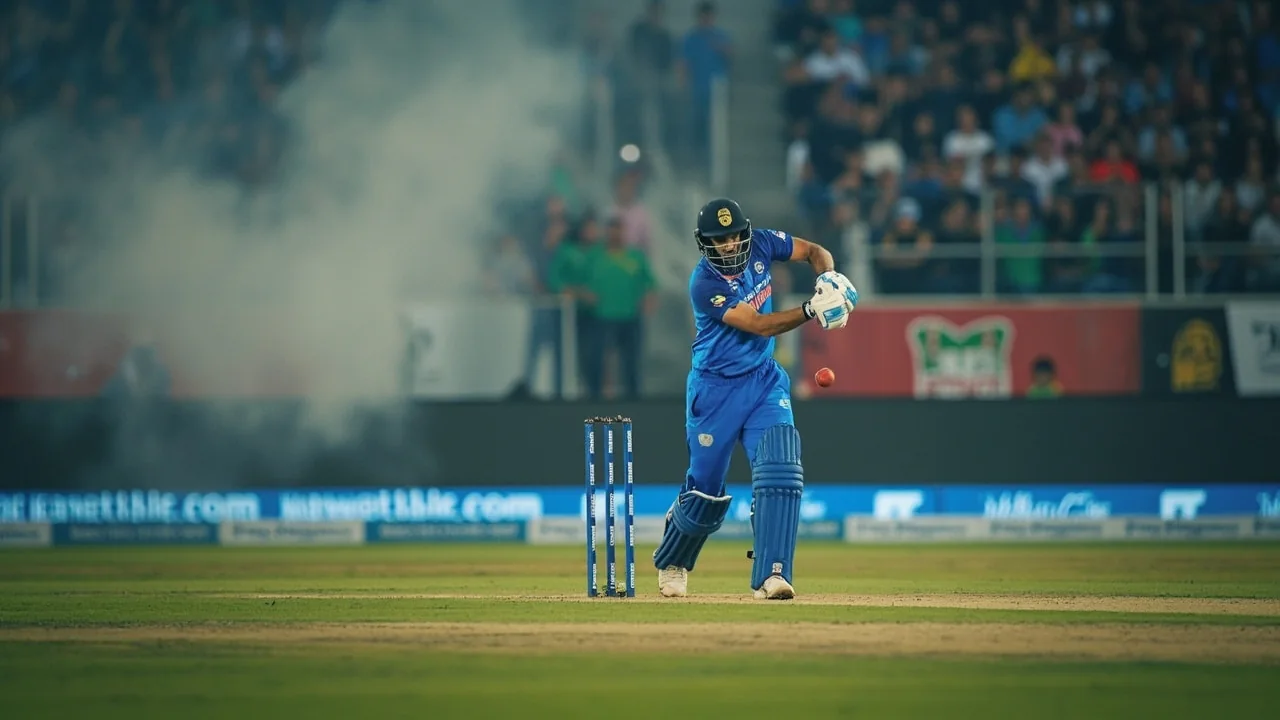
India walked into the Super 8 fixture against South Africa on Sunday, 22 February 2026, as one of the favourites. By the end of the night they had lost by 76 runs, a margin large enough to be more about how the innings fell apart than about the gap in quality between the sides. The result was reported by Mirror Now on 23 February 2026 and carried the hashtags #INDvsSA, #SunilGavaskar and #T20WorldCup2026.
For fantasy users, the headline number matters less than the shape of the match. South Africa were 20/3 inside the powerplay and looked in trouble. Then David Miller and Dewald Brevis put together a partnership reported as 96 runs that rebuilt the innings and shifted the momentum. India never quite recovered the rhythm. Jasprit Bumrah was the one Indian bowler the post singled out as exceptional, and the contrast between his spell and the rest of the attack is the first thread this retrospective will follow.
2. Bumrah's spell is the cleanest lesson in role security
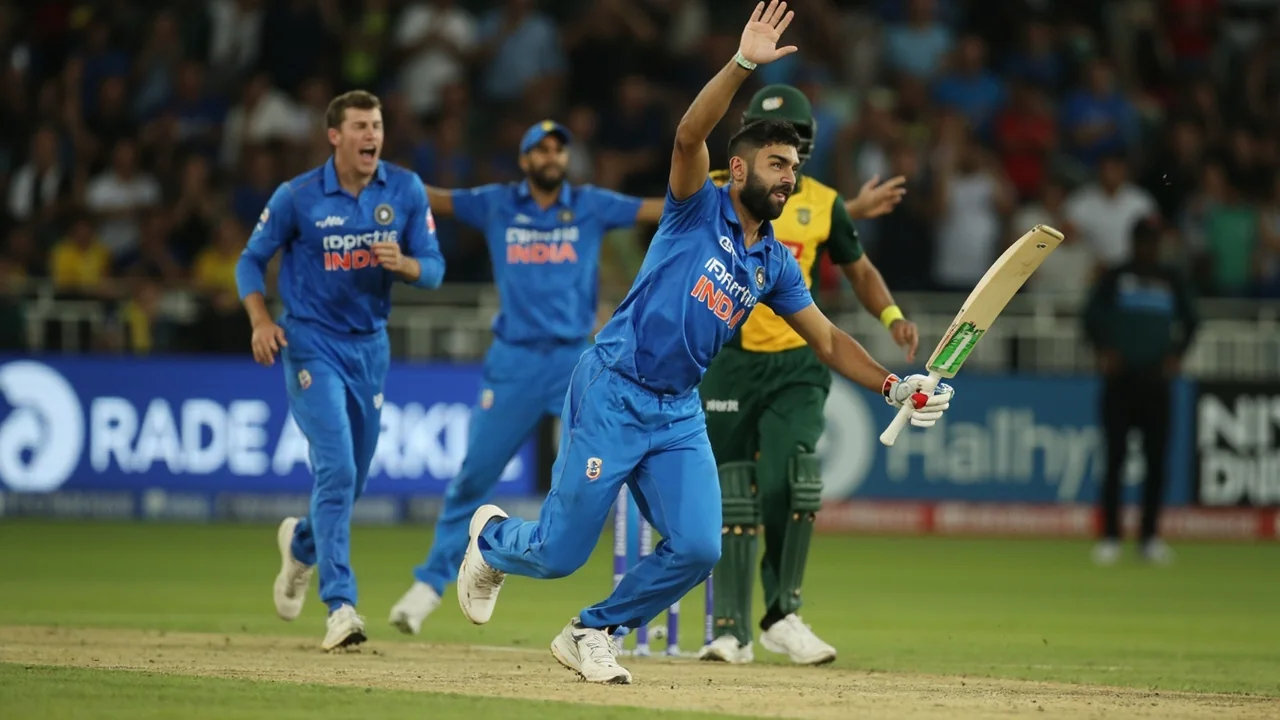
The single most reliable lesson from the night is what a role-secure fast bowler does to a fantasy scorecard. Bumrah had a defined phase, an expected over count, and a track record of holding his nerve at the death. The post singled him out as the standout performer with the ball, and that is consistent with how his role has been built across the last two T20 World Cups.
When you build a fantasy XI around a similar specialist, the test is the same one we use on the Googly11 team-builder audit. Confirm the player is in the announced eleven. Confirm the bowling phase. Confirm that the role does not depend on an unlikely match script. Bumrah passes all three at almost every venue India play in, which is why he tends to remain a captain candidate even on days when the rest of the attack looks ordinary.
The match also reminds users that one strong spell cannot rescue a fantasy XI on its own. Fantasy points are a portfolio outcome. The 76-run margin reflects that the rest of the Indian attack could not match what Bumrah produced. In your own lineup, treat the role-secure bowler as a floor-setter, not as a saviour.
3. Why the Miller-Brevis partnership matters more than the 96-run total
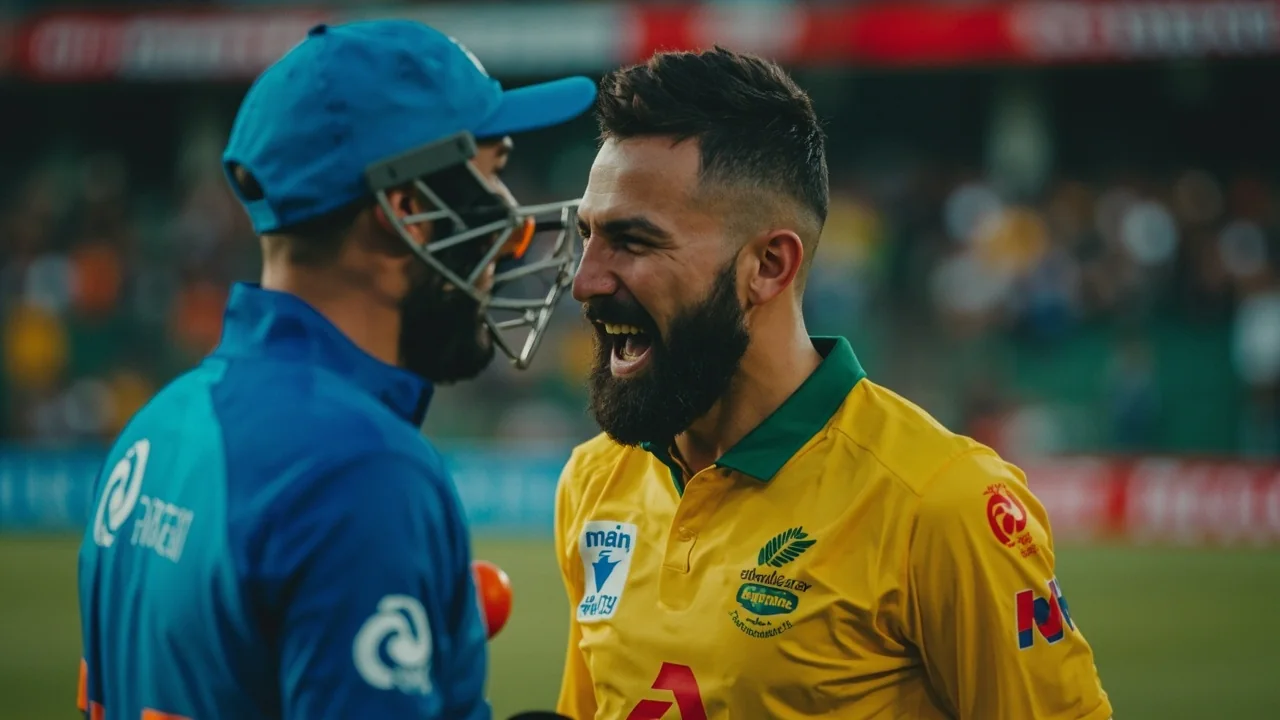
The 96-run Miller-Brevis stand is the kind of partnership that gets reported as a single number and then forgotten. For fantasy purposes the number is the wrong thing to focus on. The partnership started with South Africa at 20/3, a position most T20 lineups do not recover from. The fact that two recognised batters turned that position into a 96-run stand is the lesson.
Three things made the stand work as a fantasy story. First, both batters had already shown they could anchor an innings against high-quality bowling. Second, neither was asked to bat outside his natural position. Third, the partnership was built at a realistic scoring rate rather than through a sudden explosion of boundaries. The Indian batters, by contrast, appeared to look for a single big over and lost wickets in clusters.
Sunil Gavaskar's post-match point, paraphrased in the Mirror Now social post, was that Indian batters should have emulated the patience Miller and Brevis showed while rebuilding the chase. For fantasy users, that translates into a simple captaincy rule: do not chase miracle overs. Pick captain and vice-captain from batters who can keep the scoreboard moving without exposing their wicket. Look for those with multiple scoring routes rather than the one big-hitting option who can only win you a contest with a strike rate above 200.
4. What Gavaskar's critique actually changes for fantasy teams
Gavaskar is one of the most quoted voices in Indian cricket commentary, but the value of his critique is not the name. It is that he framed the problem as one of approach rather than talent. The Indian batters, in his read, had the skill to handle the situation but chose an approach that did not match the match situation.
For fantasy lineups, the parallel is direct. A team stacked with high-strike-rate finishers can look attractive on the selection screen but will lose points in a chase that needs a rebuild. A team built around three top-order batters plus a genuine all-rounder can absorb a middle-order collapse better than a side that depends on a single finisher. Approach is the part of the build you control before the toss.
That does not mean every contest should be a defensive build. Small-field contests reward higher-variance captain picks because beating twenty other teams does not require a freak result. Large-field mega contests, especially the ones with the smallest entry fees, can justify a more aggressive captaincy. The 76-run margin does not prove that conservative builds always win; it shows that picking an approach which fits the match situation is more durable than picking names.
5. Translating the match into the Googly11 team-builder audit
The Googly11 team-builder audit already asks whether every selected player has a confirmed role, a defined involvement, and a realistic scoring route. The 22 February 2026 fixture is a clean case study of what happens when that test is partly failed.
Apply the audit to the Super 8 fixture and the issues surface quickly. The Indian top order had the talent but not always the clearest role description. The middle order contained two or three batters competing for similar batting positions. The lower order was light on bowling options beyond Bumrah, which meant the captain's choice was constrained. None of these problems is unique to this match, but together they produced a heavy defeat.
For fantasy users building for the next T20 deadline, the practical checks are these.
- Confirm the playing XI from the official team announcement before locking your lineup.
- Check each batter's likely batting position rather than relying on season reputation.
- Treat a death-over specialist as a captain candidate only when their overs are realistic for the venue.
- Pick your captain from players with multiple scoring routes, not from the biggest name on the card.
- After the toss, rebuild the lineup rather than swapping one or two names.
- Avoid stacking three or four finishers in the same XI; their opportunity can vanish together.
- Use the Googly11 points calculator to sanity-check the captain choice against recent form.
None of these rules guarantees a winning contest. They reduce the avoidable mistakes that turn a balanced XI into a brittle one, which is the same pattern the Super 8 fixture exposed.
6. Where the post's social context adds useful context
The Mirror Now Facebook post is short and accompanied by a single stat graphic, but it still gives a usable social-media snapshot. At the time of writing, the post carried 254 likes, 127 comments and 16 shares. That is meaningful engagement for a single Facebook post on a Super 8 fixture and suggests the reaction was broad rather than niche.
Engagement of this size is consistent with the match being treated as a serious moment rather than a routine group game. For fantasy users, that matters because the volume of conversation shapes the field you are playing against. When most of the public is reacting to a result, the popular captain picks in the next contest shift accordingly. Tracking that shift is more useful than reading the post-match headlines.
It is worth saying that social engagement numbers are not a quality signal in themselves. The post could be liked because people agreed with Gavaskar's critique, or because they disagreed with it, or because they were scrolling through cricket content at midnight. Use the engagement as a rough proxy for attention, not as evidence that the takes inside the post are correct.
7. What this match still tells us about T20 World Cup 2026
| Theme | What the match showed | What it means for fantasy lineups |
|---|---|---|
| Bumrah's role | A defined death-over specialist out-performed a deeper Indian attack | Captain candidates should pass a phase-and-overs test, not a reputation test |
| Miller-Brevis rebuild | Two role-secure batters turned 20/3 into a competitive total through patience | Multi-route batters protect lineups from a single wicket cluster |
| Indian middle order | Several batters competed for similar positions rather than complementing each other | Build role coverage first; pick names only after the role is filled |
| Gavaskar's critique | The issue was approach and patience, not talent | Match your captain pick to the match situation, not to the biggest name |
| Social reaction | 254 likes, 127 comments and 16 shares on the source post | Popular captain picks in the next contest will follow public attention |
The Super 8 stage of a T20 World Cup is unforgiving because teams have usually worked out their batting order and bowling roles by then. Players who were working through selection questions in the group stage are now settled, which means the captaincy shortlist narrows. That makes the role-security test more valuable, not less.
8. Five-month view: what has changed since February 2026
Reading the match in July 2026 rather than February 2026 changes the framing. The IPL 2026 season has come and gone, the Indian Premier League squads have moved on, and most of the players involved in the Super 8 fixture have played a full domestic cycle since then. Some of the bowlers who looked off-colour on the night have rediscovered form; some of the batters who struggled have continued to struggle.
For a Googly11 user, that longer view reinforces the audit discipline. A single match, however heavy the loss, is a sample. A lineup built on the assumption that one bowler will always be the standout will fail on the day that bowler is rested or injured. The role-first build holds up better across a tournament because it does not depend on a single player to be the headline act every match.
If you have been using the Googly11 team-builder audit since February 2026, the practical test is whether your captain picks have been closer to the actual standout performers or to the obvious names. If they have been tracking the obvious names, the Super 8 fixture is a useful reminder that the obvious name is sometimes the player who is having the quietest match.
9. Carry these notes into the next T20 deadline
The next T20 deadline for Googly11 users will not be this exact fixture. It will be a different venue, different opponents, different conditions. The Super 8 loss on 22 February 2026 is a useful case study because it produced a heavy margin with a clear pattern, and that pattern repeats often enough to be worth remembering.
Treat role security as the first filter. Treat approach and patience as the captaincy framework. Use the points calculator as a sanity check on your captain pick rather than as a forecast. After the toss, rebuild the lineup instead of patching it. None of these is a guaranteed edge, but together they reduce the avoidable errors that turn a balanced XI into one that falls apart in the same way India's batting did on the night.
For more match-by-match fantasy reads and T20 World Cup 2026 context, the Googly11 fantasy tools hub collects the points calculator, team builder, captain selector and role-balance audit in one place. The lessons from a five-month-old fixture stay useful as long as you keep applying the same checklist before each new deadline.