
Building a successful cricket team requires more than assembling talented players. Whether you're selecting a fantasy cricket team or understanding how professional squads operate, the principles of balance, strategy, and performance analysis remain crucial. In 2026, modern cricket emphasizes data-driven decisions, role specialization, and tactical flexibility that separate winning teams from average ones. Understanding these fundamentals helps fantasy cricket enthusiasts make smarter choices when creating their virtual squads and following their favorite players across different formats.
Core Components of a Winning Cricket Team
Every cricket team needs a carefully balanced composition across multiple roles. The traditional structure includes specialist batsmen, bowlers, all-rounders, and a wicketkeeper, but modern cricket demands more nuanced categorization.
Essential Player Roles and Distribution
A well-constructed cricket team typically features the following distribution:
- Opening batsmen (2): Set the foundation and dominate powerplay overs
- Middle-order batsmen (3-4): Stabilize innings and accelerate scoring
- All-rounders (2-3): Provide flexibility in both batting and bowling
- Specialist bowlers (4-5): Attack with pace, spin, or swing variations
- Wicketkeeper (1): Combines keeping duties with batting contributions
The exact balance shifts based on match format. T20 teams prioritize aggressive all-rounders and power hitters, while Test cricket teams need patient batsmen and bowlers capable of long spells. ODI formats demand versatility across all positions.

| Format | Batsmen | All-Rounders | Bowlers | Wicketkeeper |
|---|---|---|---|---|
| Test | 6 | 1-2 | 4-5 | 1 |
| ODI | 5-6 | 2-3 | 4-5 | 1 |
| T20 | 4-5 | 3-4 | 4 | 1 |
Understanding this balance helps fantasy players recognize when teams are light on bowling options or heavy on batting depth, which directly impacts point-scoring potential in fantasy cricket platforms.
Strategic Team Selection Principles
Team selection involves evaluating player form, conditions, opposition strengths, and tactical requirements. Professional selectors follow systematic processes that fantasy enthusiasts can adapt for their virtual teams.
Evaluating Player Form and Consistency
Recent performance matters significantly. A cricket team built around in-form players naturally performs better than one relying on reputation alone. Track these metrics when assessing player readiness:
Batting metrics: Average, strike rate, boundary percentage, consistency across recent matches, performance against specific bowling types
Bowling metrics: Economy rate, wicket-taking ability, death-over effectiveness, powerplay control, matchup success against certain batsmen
Fielding contributions: Catches, run-outs, boundary saves, athleticism in crucial positions
Modern cricket analysis tools provide detailed breakdowns of player performance in various match situations. Context-aware metrics consider opposition quality and match circumstances, offering more accurate assessments than raw statistics alone.
Adapting to Pitch and Weather Conditions
Successful teams adjust their composition based on playing conditions. Spinning tracks demand additional spinners, while seaming pitches favor pace bowlers. Evening matches with dew factor influence selection differently than day games.
Research shows that teams plan their match strategy by analyzing pitch reports, weather forecasts, and historical data from specific venues. This preparation extends to fantasy selections, where knowing that a particular ground favors batsmen or bowlers can inform captain and vice-captain choices.
Building Team Chemistry and Balance
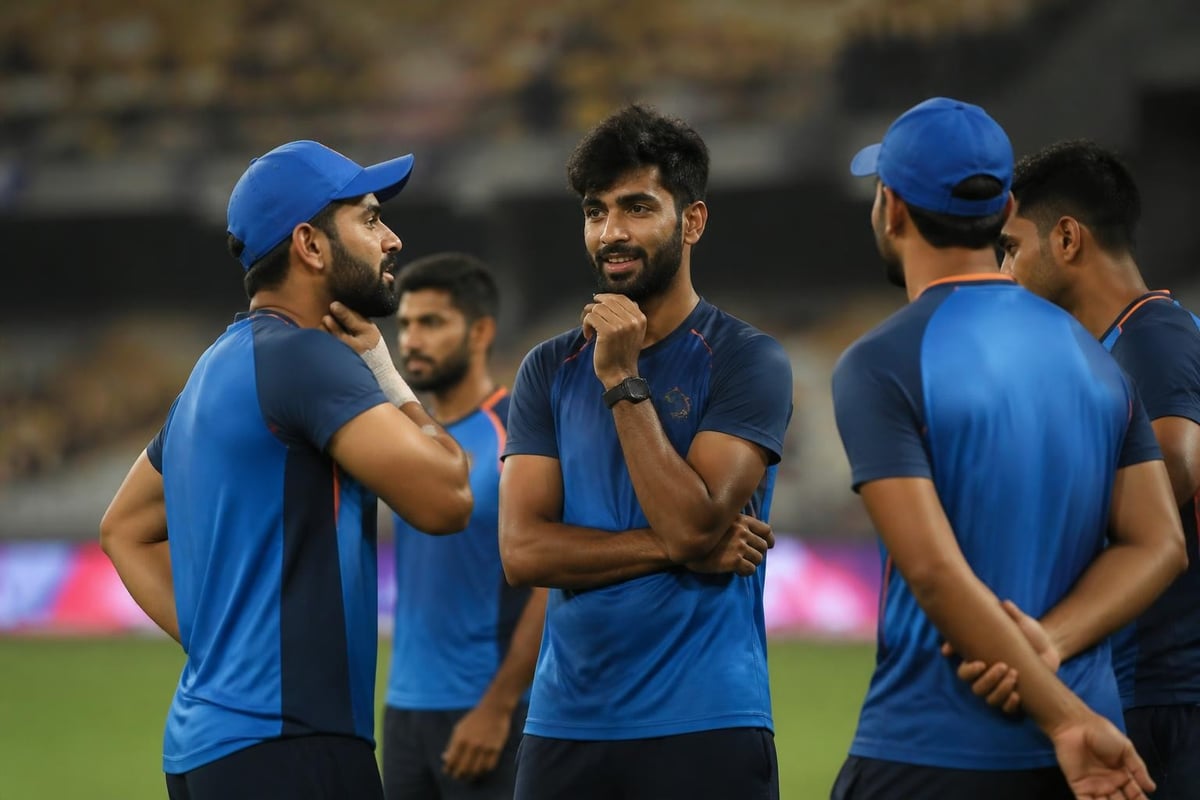
A cricket team functions as a cohesive unit, not just a collection of individual talents. Chemistry between players impacts on-field communication, fielding coordination, and tactical execution.
Creating Complementary Partnerships
Opening partnerships set the tone for any innings. Pairing an aggressive stroke-maker with an anchor player provides balance and reduces collapse risk. Similarly, bowling combinations work best when pace and spin create contrasting challenges for batsmen.
Effective cricket team-building strategies emphasize trust development, role clarity, and shared objectives. Professional teams invest in bonding activities and tactical workshops that strengthen understanding between players.
For fantasy purposes, recognizing established partnerships helps predict performance. When both opening batsmen from a cricket team are in form and comfortable batting together, both become attractive selections. The same applies to bowling partnerships that regularly create pressure and take wickets in tandem.
Leadership and Captaincy Impact
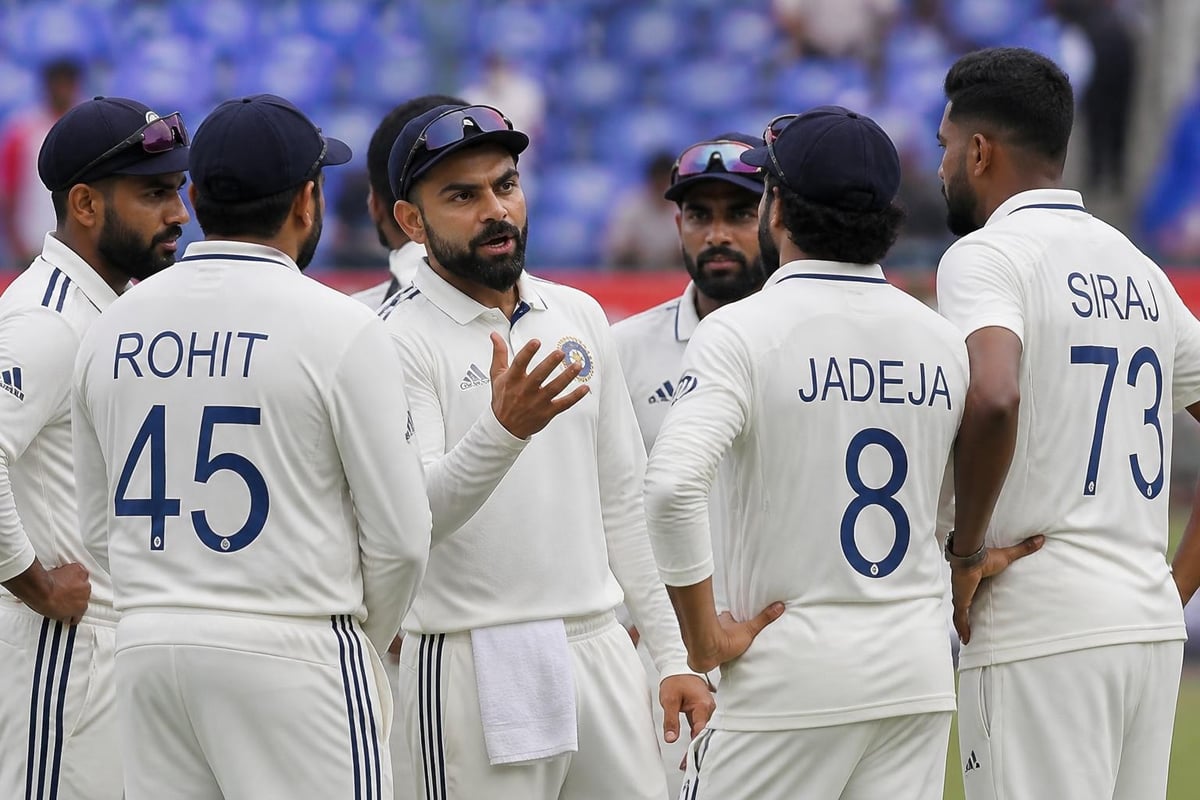
The captain's tactical acumen significantly influences team performance. Strategic field placements, bowling changes, batting order adjustments, and pressure management all stem from leadership quality.
Strategic thinking of cricket captains reveals how they read match situations, exploit opposition weaknesses, and motivate players during challenging phases. Fantasy players should consider captaincy when selecting team leaders, as inspirational captains often elevate individual player performances.
Modern Team Management and Technology
Technology has revolutionized how cricket teams prepare, analyze opponents, and manage player workload. Data analytics, video analysis, and digital communication tools enable smarter decision-making.
Data-Driven Selection Processes
Professional cricket teams now use sophisticated analytics to evaluate player capabilities across different scenarios. Heat maps show where batsmen score runs, bowling analysis reveals effectiveness against left or right-handed batsmen, and fielding metrics quantify defensive contributions.
| Analysis Type | Purpose | Fantasy Application |
|---|---|---|
| Matchup data | Predict player success vs specific opponents | Select players with favorable matchups |
| Venue statistics | Understand ground-specific performance | Prioritize players with strong venue records |
| Recent form curves | Identify trending performances | Back players entering peak form periods |
| Workload monitoring | Prevent fatigue-related declines | Avoid overburdened players likely to rest |
These insights help fantasy cricket enthusiasts make informed decisions rather than relying solely on name recognition or season-long averages. The Googly11 fantasy points calculator helps players understand exactly how different performances translate into fantasy points.
Communication and Coordination Tools
Online cricket team management tools streamline administrative tasks, improve communication, and enhance organizational efficiency. While these primarily benefit club-level teams, the principles apply to fantasy cricket communities that share information and collaborate on selections.
Digital whiteboards for field placement planning help captains visualize defensive strategies and communicate them clearly to team members. Understanding these tactical setups helps fantasy players anticipate which fielders might be positioned to take catches or effect run-outs.
Specialized Formats and Team Composition
Different cricket formats demand distinct team structures and player skill sets. A cricket team optimized for T20 success might struggle in Test matches without adjustments.
T20 Team Building Priorities
Twenty20 cricket prioritizes explosive batting, economical bowling, and exceptional fielding. Teams typically include multiple power hitters capable of clearing boundaries consistently and bowlers who execute yorkers and slower balls effectively.
Key T20 selection criteria:
- High strike rates: Batsmen averaging 130+ strike rate in recent matches
- Death bowling specialists: Bowlers with sub-8 economy rates in final five overs
- Powerplay performers: Players who dominate first six overs with bat or ball
- Versatile all-rounders: Contributors in both disciplines who maximize team balance
Fantasy success in T20 formats often comes from identifying impact players who can change games in brief periods. The IPL 2026 coverage provides detailed analysis of player performances in cricket's most competitive T20 league.
ODI and Test Match Considerations
One-Day International cricket demands patience combined with acceleration capability. A cricket team needs batsmen who construct innings methodically while maintaining scoring rates around 5-6 runs per over. Bowlers must sustain pressure across extended spells without becoming predictable.
Test cricket requires completely different attributes. Teams need batsmen with technique and concentration to build long innings, bowlers capable of maintaining line and length across 90 overs daily, and wicketkeepers with the stamina for five-day matches.
Player Availability and Squad Depth
Injuries, international duty, and rotation policies constantly affect cricket team composition. Successful teams develop depth across all positions to maintain performance when key players are unavailable.
Managing Player Rotation and Workload
Cricket boards increasingly manage fast bowler workloads to prevent injuries and maintain long-term fitness. This rotation impacts team consistency but extends player careers and reduces breakdown risk.
Team selection challenges include balancing player availability with optimal team composition. Fantasy cricket managers face similar decisions when star players are rested or doubtful for upcoming matches.
Building squads with reliable backup options across each role ensures continuity when changes occur. Fantasy teams benefit from having substitute players who can step in without significantly degrading overall point-scoring potential.
Bench Strength and Emergency Options
Every cricket team carries reserve players who provide insurance against injuries and poor form. These bench players must remain match-ready through practice and shorter format appearances.
For fantasy purposes, monitoring team news and injury updates becomes essential. Players listed as doubtful might not feature in playing elevens, wasting valuable budget allocation and team slots.
Financial and Budget Considerations in Team Assembly
Professional teams operate within salary caps and budgets that influence acquisition decisions. Fantasy cricket platforms impose similar constraints through player pricing and budget limits.
Optimizing Value Selection
A cricket team maximizes performance by identifying undervalued players who deliver results exceeding their cost. This principle applies equally to franchise cricket auctions and fantasy team building.
Budget optimization strategies include:
- Identify differential picks: Select quality players with low ownership percentages
- Balance premium and budget players: Allocate funds to consistent performers while finding budget options
- Monitor price changes: Track player value fluctuations based on form and demand
- Exploit pricing inefficiencies: Target players whose prices don't reflect current form
The Googly11 platform allows users to research player statistics and build balanced teams that maximize point-scoring potential within budget constraints. Understanding team building with role restrictions helps create legally compliant fantasy squads that optimize budget allocation.
Creating competitive fantasy cricket teams requires understanding real-world team selection principles and applying them to virtual squad building. By analyzing player roles, form trends, matchups, and conditions, fantasy enthusiasts can make data-informed decisions that increase their chances of success.
Long-Term Planning and Squad Development
Sustainable cricket teams invest in youth development and succession planning. While fantasy cricket focuses on immediate performance, understanding team development trajectories helps identify emerging talents before they become expensive premium options.
Young players entering cricket teams often arrive with motivation to prove themselves, potentially outperforming established names who may be managing workloads or experiencing form declines. Monitoring player rankings and performances reveals these emerging opportunities.
Tactical Flexibility and In-Game Adjustments
The best cricket teams adapt tactics based on match situations. Fixed strategies rarely succeed against quality opposition that probes for weaknesses and exploits rigid approaches.
Reading Match Situations
Successful captains continuously assess match dynamics and adjust field placements, bowling rotations, and batting approaches accordingly. When defending low totals, teams employ attacking fields with close catchers. When protecting large totals, they prioritize boundary prevention.
Fantasy cricket rewards understanding these tactical nuances. Recognizing when a cricket team will likely bat aggressively or defend conservatively helps predict individual player performances and point-scoring opportunities.
Bowling all-rounders gain prominence when teams need fifth-bowling options without sacrificing batting depth. Pure batsmen struggle for selection when conditions demand extra bowling resources. These contextual factors influence both real and fantasy team selections.
Organizational Excellence and Support Systems
Behind every successful cricket team operates a support structure including coaches, analysts, physiotherapists, and administrative staff. Club management best practices emphasize leadership quality, financial sustainability, effective communication, and program development.
Professional environments provide players with resources to maximize their potential. Training facilities, nutrition guidance, mental conditioning, and recovery protocols all contribute to sustained high performance.
For fantasy enthusiasts, understanding which cricket teams invest heavily in player development and support reveals which squads are likely to maintain consistent performance levels throughout long seasons. Well-managed teams typically experience fewer injury problems and better maintain player form across tournaments.
Mastering cricket team composition, selection strategies, and management principles provides the foundation for both understanding the sport and succeeding in fantasy cricket. The balance between specialist roles, tactical flexibility, data analysis, and budget optimization separates winning approaches from average ones. Whether you're analyzing professional squads or building your own fantasy cricket team, these principles guide smarter decision-making. Ready to apply these insights? Join Googly11 to create your fantasy cricket team, compete in contests based on real matches, and put your strategic knowledge to the test while competing for cash prizes.