
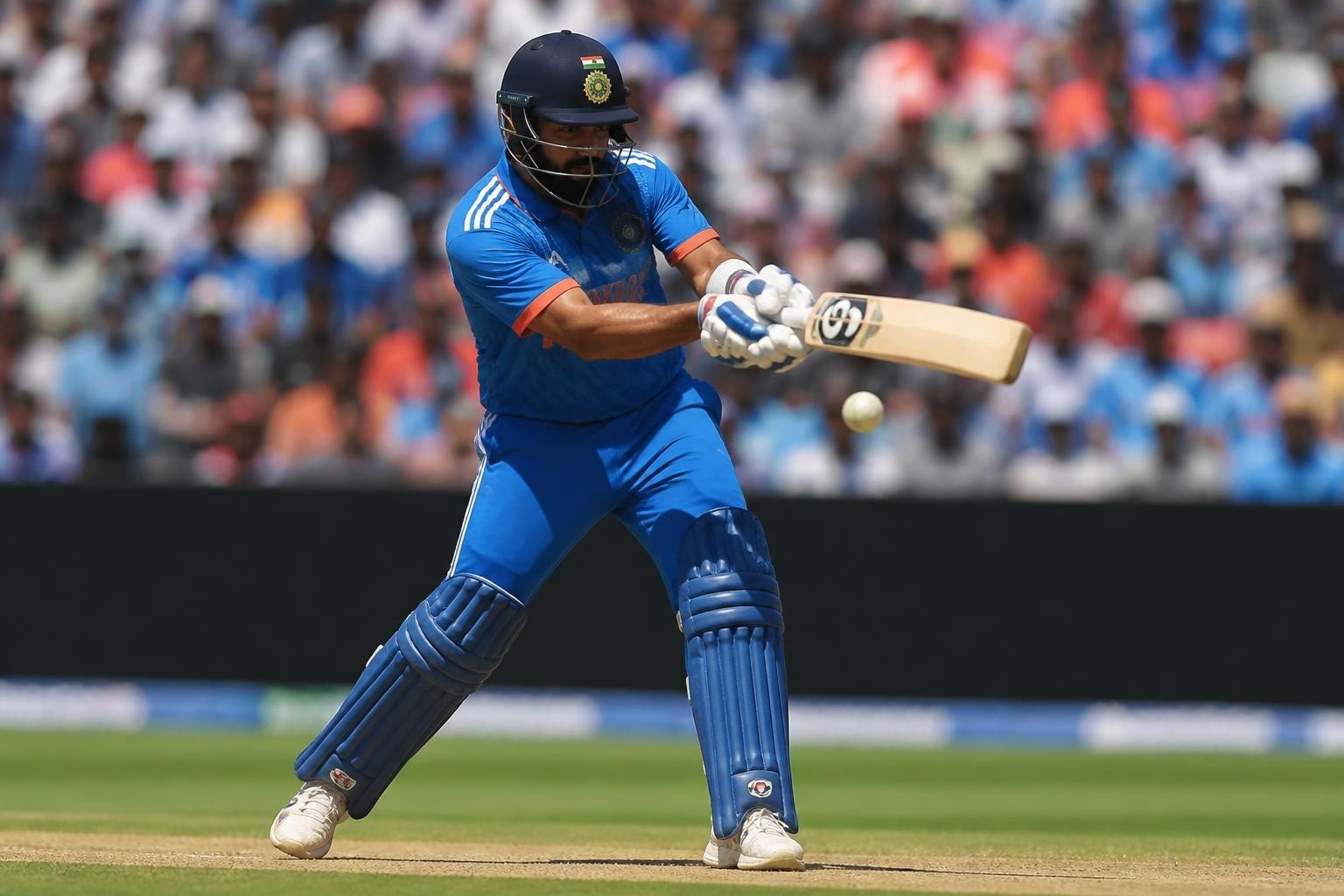
The cricket all rounder represents one of the most valuable assets in both real cricket and fantasy cricket platforms. These versatile players contribute across multiple disciplines, providing batting stability, bowling options, and often exceptional fielding skills. For fantasy cricket enthusiasts, understanding how to evaluate and select all rounders can be the difference between winning contests and missing out on prizes. In 2026, with evolving cricket formats and sophisticated fantasy cricket strategies, the role of the all-rounder has become more critical than ever for building balanced, high-scoring teams.
Understanding the Cricket All Rounder Role
A cricket all rounder is a player who excels in both batting and bowling, providing teams with dual capabilities that create strategic flexibility. According to SportLingo's definition, an all rounder must demonstrate proficiency in both primary cricket skills, though the exact balance varies significantly between players.
The evolution of the cricket all rounder has accelerated with modern formats. T20 cricket particularly values these versatile players who can contribute quick runs, break partnerships with the ball, and save crucial runs in the field. The demands on all rounders have intensified as teams seek maximum value from every position in their eleven.
Types of Cricket All Rounders
Not all cricket all rounders fit the same template. Understanding these distinctions helps fantasy cricket players make informed selections:
- Batting all rounders: Primary strength in batting with useful bowling options (examples: Marcus Stoinis, Glenn Maxwell)
- Bowling all rounders: Specialize in bowling but contribute valuable lower-order runs (examples: Shardul Thakur, Chris Woakes)
- Genuine all rounders: Balanced excellence in both disciplines (examples: Ben Stokes, Ravindra Jadeja)
- Fielding specialists: Add exceptional fielding to batting/bowling combination
Each type offers different value propositions for fantasy cricket team building. Batting all rounders provide insurance in your batting lineup while offering bonus bowling points. Bowling all rounders strengthen your attack while adding depth to batting positions.

Fantasy Cricket Value of All Rounders
The cricket all rounder delivers exceptional fantasy cricket value through multiple scoring channels. Where specialist batsmen or bowlers earn points from a single discipline, all rounders accumulate points across batting, bowling, and fielding categories. This multi-dimensional scoring potential makes them essential picks for competitive fantasy teams.
In fantasy cricket platforms, all rounders typically occupy dedicated slots in team composition rules. Most platforms require selecting one to three all rounders, recognizing their unique position in cricket's ecosystem. The point-scoring structure heavily favors all rounders who contribute actively in both disciplines during a match.
Consider a typical fantasy cricket scoring scenario: A cricket all rounder who scores 35 runs and takes 2 wickets can accumulate significantly more points than a specialist batsman scoring 50 runs or a bowler taking 3 wickets. The combined contribution creates compounding value that savvy fantasy players exploit.
Point Accumulation Advantages
| Contribution Type | Specialist Player | Cricket All Rounder | Advantage |
|---|---|---|---|
| Batting points | High | Medium-High | Similar |
| Bowling points | N/A or Low | Medium-High | Significant |
| Bonus points | Limited | Multiple categories | Major |
| Captain/VC multiplier | Single discipline | Dual discipline | Strategic |
The strategic advantage extends beyond raw points. All rounders provide team balance insurance when your primary batsmen fail or bowlers have off days. Their dual capability creates a safety net that specialists cannot offer.
Selecting Cricket All Rounders for Fantasy Teams
Successful fantasy cricket team selection requires systematic evaluation of all rounders beyond their all-rounder label. Not every player classified as an all rounder delivers equal fantasy value, and context matters tremendously for performance prediction.
Start by analyzing recent form across both disciplines. A cricket all rounder experiencing batting form but bowling struggles may not justify selection over a consistently performing specialist. Review statistics from the last five to ten matches, paying attention to:
- Batting average and strike rate in the relevant format
- Bowling economy and wicket-taking ability in recent games
- Role flexibility within their team's strategy
- Match conditions that favor their skill set
- Opposition weaknesses they can exploit
The Googly11 India Fantasy Cricket Guides provide detailed player analysis and match previews that help identify which all rounders are positioned for high-scoring performances in upcoming contests.

Match Context Analysis
Match context dramatically influences cricket all rounder performance. Pitch conditions, weather, opposition strength, and team requirements all affect how actively an all rounder contributes. A seam-bowling all rounder faces limited opportunities on spin-friendly subcontinental pitches, while spin-bowling all rounders thrive in those conditions.
Consider batting position carefully. All rounders batting in the top six have more opportunity to build substantial scores than those at number seven or eight. Similarly, all rounders guaranteed four overs in T20 matches offer more bowling point potential than those used opportunistically.
Tournament stage matters too. In knockout games or must-win situations, teams often rely heavily on their best all rounders, increasing their involvement in crucial moments. Understanding fantasy cricket strategies helps identify these high-involvement scenarios.
Top Cricket All Rounders in Modern Cricket
The landscape of elite cricket all rounders in 2026 showcases remarkable talent across all formats. Historical all-rounder excellence provides context for evaluating current stars who are redefining the position's possibilities.
Ben Stokes continues to exemplify genuine all-rounder excellence despite recent injury concerns. His ability to produce match-winning performances with both bat and ball makes him a premium fantasy cricket pick when fit and available. Stokes' impact in Test cricket translates to high fantasy value in limited-overs formats where his aggressive batting and penetrative bowling shine.
Ravindra Jadeja represents the complete modern cricket all rounder. His left-arm spin bowling, powerful lower-order hitting, and exceptional fielding create triple-threat value. For fantasy cricket, Jadeja's consistency across formats and conditions makes him a reliable selection, particularly in Indian conditions where his skills flourish. Recent discussions about his ODI World Cup 2027 plans highlight his sustained relevance.
T20 Format Specialists
The T20 format has produced specialized cricket all rounders who excel in the game's shortest version. These players understand the format's unique demands and adjust their skills accordingly:
- Hardik Pandya: Fast-medium bowling with explosive batting capability
- Glenn Maxwell: Off-spin bowling combined with innovative batting
- Shakib Al Hasan: Left-arm spin and reliable middle-order batting
- Mitchell Marsh: Pace bowling complementing aggressive top-order batting
- Marcus Stoinis: Medium pace with power-hitting ability
The top T20I all-rounder rankings demonstrate how format-specific excellence differs from overall cricket prowess. Fantasy cricket players benefit from understanding these format specializations when building teams for different tournament types.

Balancing Multiple Skills: The All Rounder Challenge
Understanding how all-rounders balance batting and bowling reveals the immense physical and mental demands of the role. These players must maintain peak performance in two distinct skill sets while managing the cumulative fatigue that specialists avoid.
The training regimen for a cricket all rounder differs substantially from specialists. They split practice time between batting nets, bowling sessions, and fitness work that supports both disciplines. This divided focus means all rounders rarely achieve the absolute peak specialization of dedicated batsmen or bowlers, but their combined value exceeds the sum of parts.
Modern cricket's scheduling intensity particularly challenges all rounders. A player who bowls ten overs and then bats for an extended period experiences significantly more physical stress than teammates with single-discipline roles. Workload management becomes crucial for maintaining form throughout tournaments.
Workload Management Implications
For fantasy cricket selection, workload management creates both opportunities and risks. Teams often rest key all rounders during less critical matches or reduce their bowling workload to preserve batting freshness. Monitoring team announcements and rotation policies helps predict when all rounders will deliver maximum contribution.
International cricket's packed calendar in 2026 means all rounders frequently face rotation. Following IPL 2026 news and tournament schedules helps identify when rest might occur. Fantasy players who anticipate rotation can avoid selecting rested all rounders and instead target those guaranteed full workloads.
Statistical Analysis for All Rounder Selection
Advanced statistics reveal cricket all rounder value beyond traditional averages. Fantasy cricket success requires understanding which metrics best predict fantasy point scoring in specific match contexts.
Strike rate matters more than average for batting all rounders in T20 and ODI formats. An all rounder scoring 30 runs at 200 strike rate often delivers more fantasy value than one scoring 50 at 100 strike rate, due to bonus points for boundaries and strike rate achievements.
Economy rate proves crucial for bowling all rounders. Containing runs while taking wickets creates double scoring opportunities through economy bonuses and wicket points. All rounders with economy rates below 7.5 in T20s or 5.0 in ODIs typically outperform those with higher economies even if wicket tallies are similar.
| Key Metric | Elite Threshold | Good Threshold | Selection Impact |
|---|---|---|---|
| Batting SR (T20) | 145+ | 130-145 | High |
| Bowling ER (T20) | Under 7.0 | 7.0-8.0 | High |
| Recent form | 3+ good games | 2 good games | Critical |
| Role certainty | Guaranteed | Probable | Medium |
Analyzing bowling workload distribution helps predict wicket-taking opportunities. A cricket all rounder guaranteed four overs in T20 matches has structured opportunity, while one used for 1-2 overs faces limited scoring potential. Understanding team bowling strategies reveals which all rounders receive consistent opportunities.
Format-Specific All Rounder Strategies
Each cricket format demands different all rounder attributes and creates distinct fantasy cricket value propositions. Successful fantasy players adjust their all rounder selection criteria based on tournament format.
Test cricket all rounders require stamina and consistency across long innings. Their fantasy value accumulates through sustained contribution rather than explosive moments. Players like Ben Stokes and Ravindra Jadeja who bat in top seven and bowl substantial overs create compounding points across multi-day matches.
ODI cricket balances sustained contribution with aggressive phases. Cricket all rounders batting in positions four through seven offer optimal value, combining meaningful batting opportunities with guaranteed bowling allotments. The 50-over format's structure ensures all rounders receive chances to impact games significantly.
T20 cricket prioritizes explosive impact over consistency. All rounders who can score quickly or take wickets in crucial overs deliver disproportionate fantasy value. The format's compressed nature means a single outstanding performance in either discipline often suffices for high fantasy scores.
Pitch and Condition Adjustments
Different playing conditions shift cricket all rounder value substantially. Seaming pitches favor pace-bowling all rounders while spin-friendly surfaces benefit spin-bowling variants. Understanding what makes a cricket all-rounder valuable in modern cricket includes recognizing these environmental factors.
Indian subcontinental conditions typically favor spin-bowling all rounders like Ravindra Jadeja, Axar Patel, and Washington Sundar. Their spin bowling becomes potent weapons while batting positions allow substantial run-scoring opportunities. Fantasy cricket players building teams for matches in India should prioritize these specialists.
Australian, English, and South African conditions favor pace-bowling all rounders who exploit seam movement and bounce. Players like Cameron Green, Mitchell Marsh, and Chris Woakes gain fantasy cricket value in these environments. Monitoring pitch reports and weather forecasts helps predict which all rounder types will dominate specific matches.
Captain and Vice-Captain Strategies
Selecting a cricket all rounder as captain or vice-captain in fantasy cricket amplifies their multi-dimensional scoring through point multipliers. This strategy carries higher risk than captaining specialist batsmen but offers exceptional upside when all rounders deliver across both disciplines.
The ideal captaincy scenario involves an all rounder in outstanding form facing favorable conditions. A batting all rounder against weak bowling opposition or a bowling all rounder against batting-fragile opponents creates high-probability scoring opportunities. Combining form analysis with matchup evaluation identifies premium captaincy targets.
Risk management remains crucial. Captaining genuine all rounders like Ben Stokes or Ravindra Jadeja provides dual scoring avenues that reduce complete failure risk compared to specialists. Even if their batting disappoints, bowling contributions can salvage captaincy points, and vice versa.
Differential Strategy Applications
In large fantasy cricket contests, using less-popular all rounders as captain or vice-captain creates differentiation that separates winners from the field. When most participants captain obvious batsmen, selecting an in-form cricket all rounder against suitable opposition generates winning advantage if they perform well.
Monitor fantasy cricket tips to identify all rounders receiving lower ownership percentages despite strong performance indicators. These undervalued all rounders present opportunities for differential captaincy that can vault you up contest leaderboards when they deliver big performances.

Emerging All Rounders to Watch
Cricket's talent pipeline continuously produces promising cricket all rounders who represent future fantasy cricket value. Identifying emerging talent before they become mainstream selections provides competitive advantage in fantasy contests.
Cameron Green has established himself as Australia's premier all-rounder across formats. His tall frame generates extra bounce with the ball while his batting technique suits various positions. Fantasy cricket players should monitor Green's workload management as Australian cricket balances his long-term development with immediate performance demands.
Washington Sundar represents India's growing all-rounder depth. His off-spin bowling and improving batting make him valuable in subcontinental conditions. When selected for Indian teams, Sundar often receives substantial bowling workload and bats high enough to accumulate meaningful runs.
Young all rounders often offer budget-friendly fantasy cricket options that enable spending on premium batsmen or bowlers elsewhere in your team. Building balanced squads with one emerging all rounder alongside established stars optimizes point-per-credit efficiency.
Team Composition Balance
Integrating cricket all rounders into fantasy teams requires balancing them with specialists to create optimal point-scoring combinations. Most fantasy cricket platforms enforce composition rules requiring specific numbers of batsmen, bowlers, all rounders, and wicketkeepers.
The typical strategy employs two to three all rounders in an eleven-player fantasy team. This allocation provides multi-dimensional scoring while preserving slots for specialist batsmen and bowlers who often deliver higher raw totals in their primary disciplines. Using team building tools helps visualize different composition strategies.
Budget allocation for all rounders varies by platform and contest type. Premium genuine all rounders command high fantasy cricket prices but justify the investment through consistent dual-discipline contributions. Budget all rounders enable spending elsewhere but require careful selection to avoid non-performers who neither bat nor bowl meaningfully.
Credit Distribution Strategies
| Team Structure | All Rounders | Budget Allocation | Use Case |
|---|---|---|---|
| Balanced | 2-3 | 25-30% | Most formats |
| Batting heavy | 1-2 | 15-20% | Batting-friendly pitches |
| Bowling heavy | 2-3 | 20-25% | Bowling-friendly conditions |
| Differential | 3-4 | 30-35% | Tournament differentiation |
Each structure serves different strategic purposes. Batting-heavy approaches minimize all rounder allocation when pitches strongly favor batsmen and bowling seems unlikely to generate substantial points. Bowling-heavy structures emphasize all rounders who bowl extensively when conditions suit bowling dominance.
Data-Driven All Rounder Evaluation
Modern fantasy cricket success increasingly depends on data analytics that reveal cricket all rounder value beyond surface statistics. Advanced metrics provide deeper insight into performance sustainability and matchup advantages.
Analyzing historical performance against specific opponents uncovers trends that basic statistics miss. Some all rounders consistently perform well against particular teams due to skill matchups or psychological factors. Mining head-to-head data identifies these patterns for strategic exploitation.
Venue-specific statistics reveal where all rounders thrive or struggle. Certain grounds favor specific bowling types or batting approaches that benefit particular all rounder profiles. Building databases of venue-specific all rounder performance enables informed selection when matches occur at familiar grounds.
Building Winning Fantasy Teams
Successful fantasy cricket team construction around cricket all rounders requires systematic processes that combine statistical analysis, situational awareness, and strategic creativity. The most consistent fantasy cricket winners develop repeatable evaluation frameworks rather than relying on intuition.
Begin with match predictions that establish likely game flow. Understanding whether a match will be high-scoring, low-scoring, or balanced helps identify which all rounder types will thrive. High-scoring matches favor batting all rounders while low-scoring contests benefit bowling specialists.
Layer in recent form analysis across the last five matches minimum. Form trumps reputation in fantasy cricket, as current performance indicators predict near-term results better than career statistics. An all rounder in poor form rarely justifies selection regardless of their historical excellence.
Cross-reference playing conditions with all rounder strengths. Match pitch reports, weather forecasts, and ground characteristics with your shortlisted all rounders' skill sets. This contextual matching maximizes the probability of high-scoring performances from your selected cricket all rounders.
Contest-Type Adjustments
Different fantasy cricket contest types require adjusted all rounder strategies:
- Head-to-head contests: Prioritize safe, consistent all rounders with high floors
- Small leagues: Balance safety with upside through genuine all rounders
- Large tournaments: Include differential all rounder picks for differentiation
- Winner-take-all: Maximize upside with aggressive all rounder captain choices
- Cash games: Focus on consistent performers with predictable workloads
Understanding how contest structure influences optimal strategy separates successful fantasy cricket players from casual participants. All rounder selection should adapt to the specific winning conditions each contest type creates.
The cricket all rounder serves as a cornerstone of successful fantasy cricket team construction, delivering multi-dimensional value that specialists cannot match. By understanding the different all rounder types, analyzing performance data comprehensively, and adapting selections to match contexts and contest formats, you position yourself for consistent fantasy cricket success. Whether you're building teams for IPL 2026, international tournaments, or domestic leagues, mastering all rounder evaluation gives you a crucial competitive edge. Put these strategies into practice and start winning more contests on Googly11, where informed team selection meets exciting fantasy cricket competition.