

The all rounder represents cricket's most versatile player, combining batting prowess with bowling effectiveness to create dual-threat capabilities on the field. In fantasy cricket, these multifaceted players offer unique strategic value, delivering points through multiple disciplines while occupying a single roster spot. Understanding how to evaluate and select all rounders becomes crucial for building competitive fantasy teams that maximize scoring potential across all phases of the match.
Strategic Value of All Rounders in Fantasy Cricket
All rounders provide fantasy team managers with unmatched flexibility and point-scoring opportunities. Unlike specialists who contribute in one discipline, these players accumulate points through batting runs, bowling wickets, economical overs, and fielding contributions.
The role of all rounders has evolved significantly over cricket's history, adapting to format-specific demands and modern game strategies. In fantasy contests, this evolution translates into varying point potentials based on match conditions, opposition strength, and batting positions.
Point Accumulation Mechanics
Fantasy platforms award points for multiple performance metrics:
- Batting runs (typically 1 point per run)
- Bowling wickets (25-30 points per dismissal)
- Economy rate bonuses (bowling)
- Strike rate bonuses (batting)
- Fielding contributions (catches, run-outs, stumpings)
An all rounder who scores 40 runs and takes 2 wickets generates substantially more fantasy points than a specialist batsman scoring 60 runs. This mathematical advantage makes all rounders essential anchors for competitive fantasy lineups, particularly in formats where both skills receive equal emphasis.
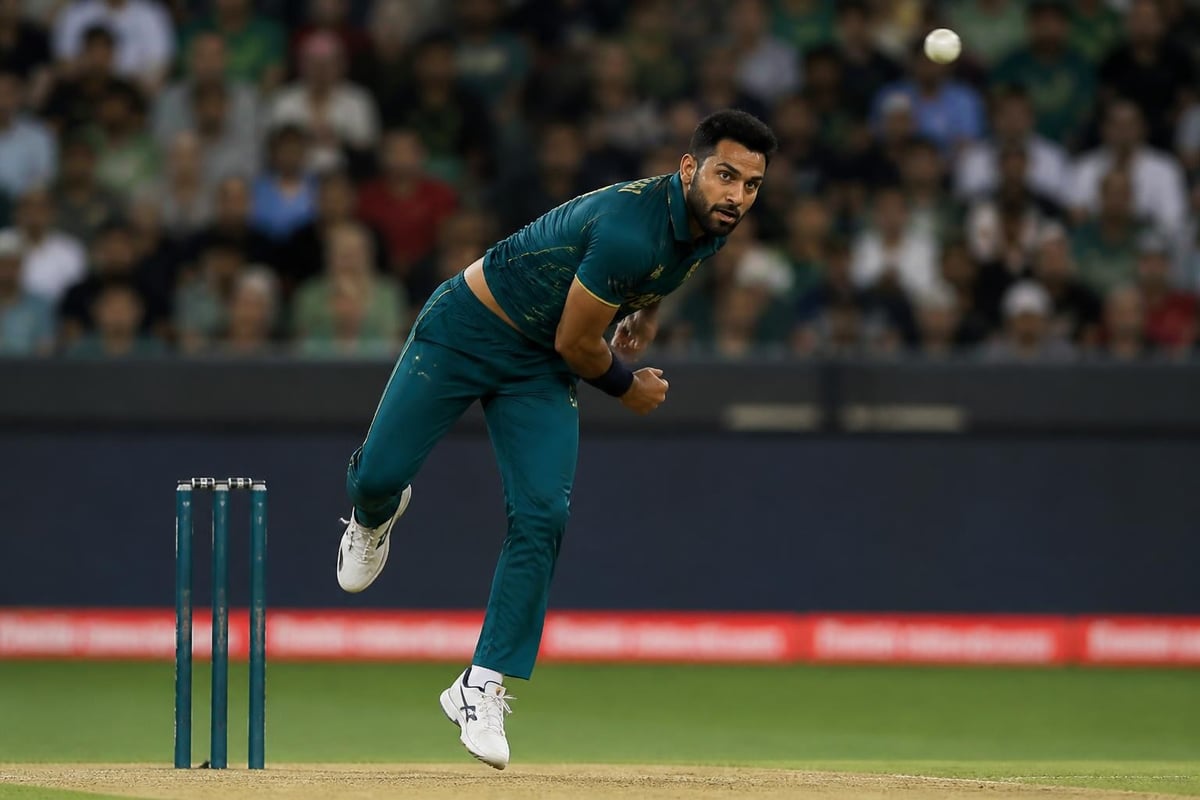
Evaluating All Rounder Types and Fantasy Fit
Not all all rounders provide equal fantasy value. Understanding player classifications helps identify the best selections for specific match scenarios and contest formats.
| All Rounder Type | Primary Strength | Fantasy Value | Best For |
|---|---|---|---|
| Batting All Rounder | Top-order batting | High if guaranteed overs | ODI/T20 leagues |
| Bowling All Rounder | Primary bowler | Consistent in Tests | Test fantasy contests |
| Genuine All Rounder | Balanced skills | Premium across formats | All contest types |
| Wicketkeeper All Rounder | Additional keeping points | Maximum versatility | Limited-overs formats |
Batting all rounders typically bat in positions 1-6 and bowl 4-6 overs in limited-overs cricket. Players like Hardik Pandya exemplify this category, delivering explosive batting while contributing crucial middle-overs bowling.
Bowling all rounders prioritize their bowling workload but provide valuable lower-order runs. These players often bowl their full quota while batting at positions 7-9, making them reliable point scorers even when batting collapses occur early.
Current All Rounder Rankings and Form
ICC rankings provide valuable insights into current form across formats. As of mid-2026, these rankings reflect recent performance trends that directly impact fantasy point potential.
Monitoring these rankings helps identify emerging all rounders before their fantasy prices adjust upward. Players climbing the rankings often represent value picks, delivering premium performance at mid-tier pricing.
Building Fantasy Teams Around All Rounder Selections
Strategic all rounder selection influences the entire team composition. Most fantasy platforms allocate 1-3 all rounder slots, requiring careful evaluation of available options versus budget constraints.
Premium all rounders command higher salary allocations but deliver consistent point floors. Budget-friendly options create salary flexibility for star batsmen or bowlers but carry increased performance variance.
Balancing Your All Rounder Portfolio
- Identify guaranteed contributors: Select at least one all rounder certain to bowl full overs and bat in top seven
- Consider format-specific strengths: T20 all rounders need boundary-hitting ability; Test all rounders require stamina
- Evaluate recent form trajectories: Check last five matches for consistency patterns
- Assess match conditions: Pitch reports indicate whether batting or bowling all rounders gain advantage
- Monitor team combinations: Ensure selected all rounders complement your batsmen and bowlers
The all rounder position offers unique captain/vice-captain opportunities. An all rounder performing both disciplines well can deliver 2x or 2.5x points on crucial performances, making them strategic multiplier candidates in close contests.
For comprehensive team building strategies, fantasy cricket guides provide detailed analysis of player selection across all positions.
Match Context and All Rounder Performance Patterns
All rounder effectiveness varies significantly based on match conditions, opposition quality, and game situations. Understanding these contextual factors separates successful fantasy managers from average performers.
Pitch Conditions Impact:
Batting-friendly surfaces favor all rounders who bat higher in the order, as their bowling returns may diminish. Conversely, bowling-friendly wickets elevate all rounders with genuine bowling threat, even if their batting contributions decrease.
Opposition Analysis:
All rounders facing weaker batting lineups increase their wicket-taking probability. Similarly, playing against inferior bowling attacks boosts their run-scoring potential. Cross-referencing opposition vulnerabilities with all rounder strengths creates edge opportunities.
Tournament Phase Considerations:
Early tournament matches often see conservative team selections favoring genuine all rounders. Knockout stages may shift toward specialist-heavy lineups, reducing all rounder bowling quotas and fantasy relevance.
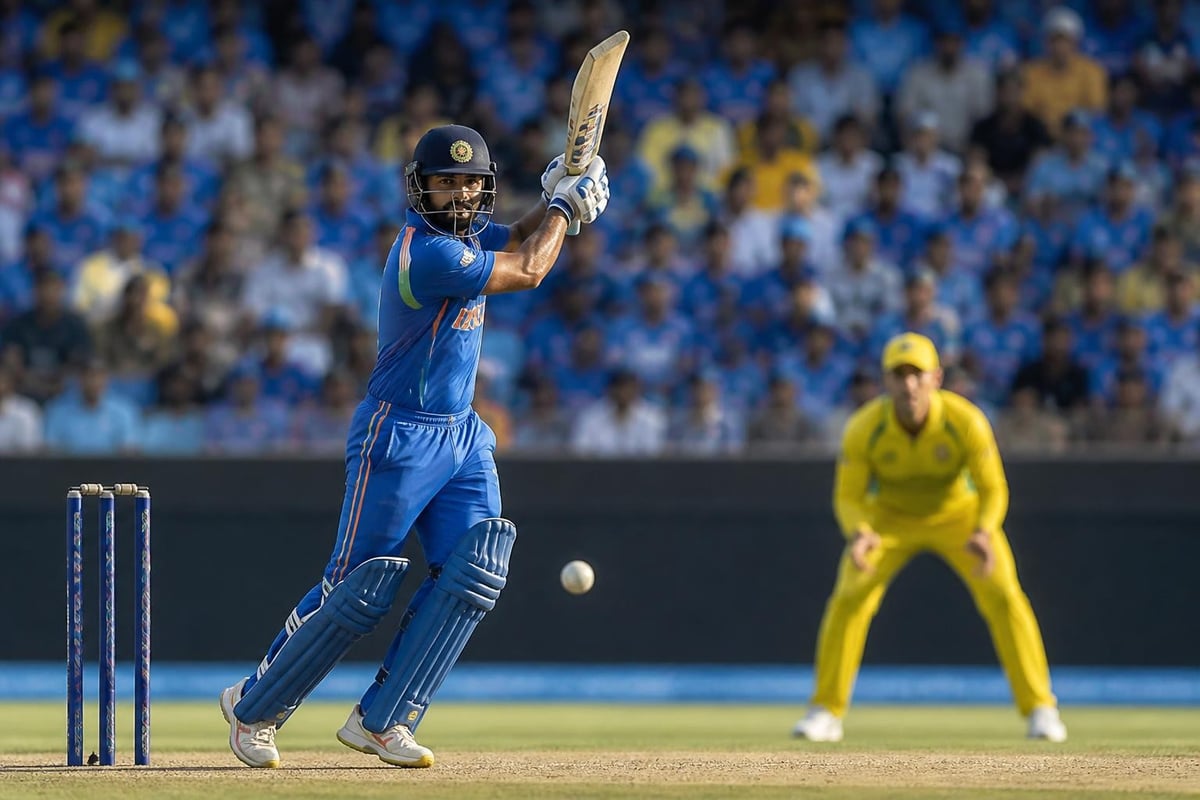
Value Picks and Differential All Rounder Strategies
Identifying underpriced all rounders creates salary flexibility while maintaining competitive point potential. These value picks emerge from recent role changes, returning players, or platform pricing inefficiencies.
Spotting Emerging All Rounders
Young players transitioning into all rounder roles often carry lower fantasy prices before their expanded responsibilities reflect in platform valuations. Monitoring team news and practice reports reveals these opportunities before public awareness drives price adjustments.
Recent analysis of hidden all rounder contributions demonstrates how certain players deliver consistent fantasy value despite lacking traditional all rounder recognition. These "accidental all rounders" represent differential picks for tournament contests.
Differential Strategy Framework:
- Target all rounders with ownership below 15% in large contests
- Prioritize players with recent role expansions (promoted batting position, increased overs)
- Identify matchup advantages overlooked by consensus picks
- Balance differential selections with one premium, safe all rounder choice
The risk-reward calculation shifts between cash games and tournaments. Cash games favor reliable, high-ownership all rounders ensuring competitive point floors. Tournaments benefit from contrarian all rounder selections that provide unique lineup differentiation when successful.
Format-Specific All Rounder Considerations
Each cricket format presents distinct all rounder evaluation criteria based on match duration, scoring patterns, and role expectations.
T20 Cricket All Rounders
T20 all rounders maximize value through explosive batting and death-over bowling skills. These players typically bat positions 4-7, contributing quick runs while bowling 2-4 overs during powerplay or death phases.
Key T20 All Rounder Metrics:
| Metric | Why It Matters | Target Range |
|---|---|---|
| Strike Rate | Quick runs in limited balls | 135+ |
| Economy Rate | Limiting opposition scoring | Under 8.0 |
| Boundary % | Bonus points for 4s/6s | 40%+ of runs |
| Death Over Success | High-pressure wickets | 2+ wickets per match |
The condensed format rewards all rounders who impact specific game phases. A player bowling just two overs can earn substantial points through wickets during powerplay restrictions when batsmen must attack.
ODI All Rounder Strategies
ODI cricket provides all rounders with expanded opportunities across 50-over contests. Middle-overs specialists become particularly valuable, controlling run flow while building platforms for late-innings acceleration.
All rounders batting positions 5-7 in ODI cricket often face varied situations, requiring adaptability between acceleration and consolidation. Fantasy points accumulate through partnership building, rotation strikes, and boundary hitting when established.
Modern all rounder characteristics emphasize fitness and skill versatility across multiple game phases, essential qualities for ODI success where sustained performance over 50 overs separates elite contributors from average performers.
Test Match All Rounder Selection
Test fantasy contests spanning multiple days require different all rounder evaluation. Endurance, consistency across innings, and conditions adaptability become paramount factors.
Genuine all rounders who bowl 15-25 overs per innings while batting in top six positions offer premium Test fantasy value. These players accumulate points steadily across four potential innings, creating reliable scoring foundations.
Advanced All Rounder Metrics and Analytics
Beyond basic statistics, advanced metrics reveal deeper insights into all rounder fantasy potential and sustainable performance patterns.
Dual Performance Index (DPI):
This metric combines batting average with bowling average, providing balanced evaluation of genuine all rounder capability. Lower combined numbers indicate superior dual-threat effectiveness.
Match Impact Score:
Quantifies how frequently an all rounder's contributions directly influence match outcomes through match-winning batting or bowling performances. High impact scores correlate with bonus point opportunities in fantasy platforms.
Workload Sustainability:
Tracks overs bowled and batting position consistency across recent matches, predicting role stability and injury risk. All rounders maintaining 80%+ workload consistency offer safer fantasy selections than those with fluctuating responsibilities.
Research on player synergies provides academic perspective on how bowling partnerships and team dynamics affect individual all rounder effectiveness, valuable context for understanding performance variation.
Team News and All Rounder Role Monitoring
Successful all rounder selection requires continuous monitoring of team news, practice reports, and captain comments indicating role changes or workload management.
Critical Information Sources:
- Official team press conferences
- Practice session reports
- Injury updates and fitness assessments
- Batting order announcements
- Bowling rotation plans
An all rounder dropped from top six to number seven loses significant batting point potential. Similarly, reduced bowling quotas due to pitch conditions or team composition changes diminish fantasy value despite the player's capabilities.
Fantasy cricket tips regularly update role changes and team news affecting all rounder selections, helping fantasy managers adjust lineups before contests lock.

All Rounder Captain and Vice-Captain Selection
The multiplier positions (captain receives 2x points, vice-captain receives 1.5x points) create opportunities for all rounders to deliver tournament-winning performances when both disciplines succeed.
Optimal Captaincy Scenarios
All rounders become premium captain options when:
- Playing against weaker opposition in both batting and bowling
- Conditions favor their primary strength while supporting secondary skill
- Recent form shows consecutive multi-discipline performances
- Team role guarantees full participation (complete bowling quota, top-seven batting)
Risk assessment becomes crucial for all rounder captaincy. While the upside includes points from runs and wickets, the downside risk exists if they underperform in both disciplines.
Captaincy Decision Matrix:
Conservative approach selects specialist batsmen or bowlers as captain, using all rounders as vice-captain for balanced risk-reward. Aggressive tournament strategies employ all rounder captaincy when differential ownership creates leverage opportunities against field consensus.
Historical all rounder achievements demonstrate the ceiling performances possible when elite players dominate both disciplines, validating calculated captaincy risks in favorable matchups.
Budget Allocation and All Rounder Pricing Efficiency
Fantasy cricket platforms assign player prices based on recent performance, reputation, and expected role. Understanding pricing efficiency identifies overvalued and undervalued all rounders within budget constraints.
Premium all rounders priced in top tier typically consume 15-20% of total budget. This allocation requires sacrifices elsewhere, often forcing selections of budget batsmen or bowlers to maintain salary compliance.
Mid-tier all rounders priced 10-15% of budget often provide optimal value, delivering 70-80% of premium player production at significantly reduced cost. These players become lineup cornerstones for balanced team construction.
Price Change Patterns
Most platforms adjust prices based on recent performance and ownership trends. All rounders experiencing form spikes see rapid price increases, while struggling players drop in value.
Timing Strategies:
- Select emerging all rounders early in tournaments before price corrections
- Avoid declining all rounders whose prices haven't adjusted to reduced roles
- Monitor ownership percentages indicating public perception versus actual value
- Use price drops during player rest periods to acquire value for upcoming matches
Historical All Rounder Performance in Major Tournaments
Major tournaments (World Cups, IPL, T20 leagues) showcase all rounder impact on team success and fantasy scoring. Analyzing historical patterns reveals archetypes that consistently deliver premium fantasy value.
The top all rounders across formats demonstrate sustained excellence through tournament pressures, providing templates for identifying similar profiles in current player pools.
Tournament All Rounder Patterns:
| Tournament Type | Successful All Rounder Profile | Fantasy Edge |
|---|---|---|
| T20 World Cup | Power hitters, death bowlers | High ceiling, variance |
| ODI World Cup | Middle-order stabilizers, wicket-takers | Consistent floors |
| IPL | Impact players, clutch performers | Differential upside |
| Test Series | Genuine all rounders, workhorses | Sustained scoring |
All rounders performing under tournament pressure often maintain elevated fantasy relevance throughout events, as their experience and composure deliver when specialists falter.
Injury Risk and Workload Management
All rounders face elevated injury risk from dual-discipline demands. Workload management protocols increasingly limit their participation, directly affecting fantasy availability and point potential.
Fast-bowling all rounders particularly face rest rotation in congested tournament schedules. Teams prioritize long-term fitness over individual match participation, creating fantasy selection uncertainty.
Injury Risk Indicators:
- Recent injury history and recovery timelines
- Matches played in last 30 days (overuse concerns)
- Bowling workload trends (declining overs suggest fatigue)
- Team depth at all rounder position (replacement availability)
Research on balancing batting and bowling demands highlights training methods and recovery protocols affecting availability, valuable context for assessing injury probability.
Pre-match team announcements become critical for all rounder fantasy selections. Confirming participation before contest deadlines prevents lineup holes from unexpected rest rotations.
Multi-Contest All Rounder Strategy Adjustments
Fantasy managers participating in multiple contest types (head-to-head, small leagues, large tournaments) require adjusted all rounder strategies optimized for each format's unique dynamics.
Cash game contests prioritize safety and consistency. All rounder selections emphasize high ownership, guaranteed roles, and stable point floors even in moderate performances.
Tournament contests reward differentiation and ceiling potential. All rounder selections target lower ownership players with explosive upside, accepting increased bust risk for leverage opportunities when successful.
Contest-Specific All Rounder Selection:
- Head-to-Head: Select balanced all rounders likely matching opponent choices
- 50-50 Contests: Favor high-floor all rounders with minimal bust risk
- Large Field Tournaments: Include at least one differential all rounder with 10-15% ownership
- Satellite Qualifiers: Balance safety with one contrarian all rounder selection
The all rounder position provides strategic flexibility across contest types, allowing managers to adjust risk tolerance while maintaining competitive lineup construction.
Mastering all rounder selection separates successful fantasy cricket managers from average competitors, as these versatile players provide the dual-threat capabilities that maximize point accumulation across batting and bowling disciplines. Understanding format-specific considerations, value identification strategies, and match context analysis enables consistent lineup optimization. Ready to build winning fantasy teams with strategic all rounder selections? Join Googly11 today and compete in contests where your analytical edge translates into real rewards and exciting competition against fellow cricket enthusiasts.